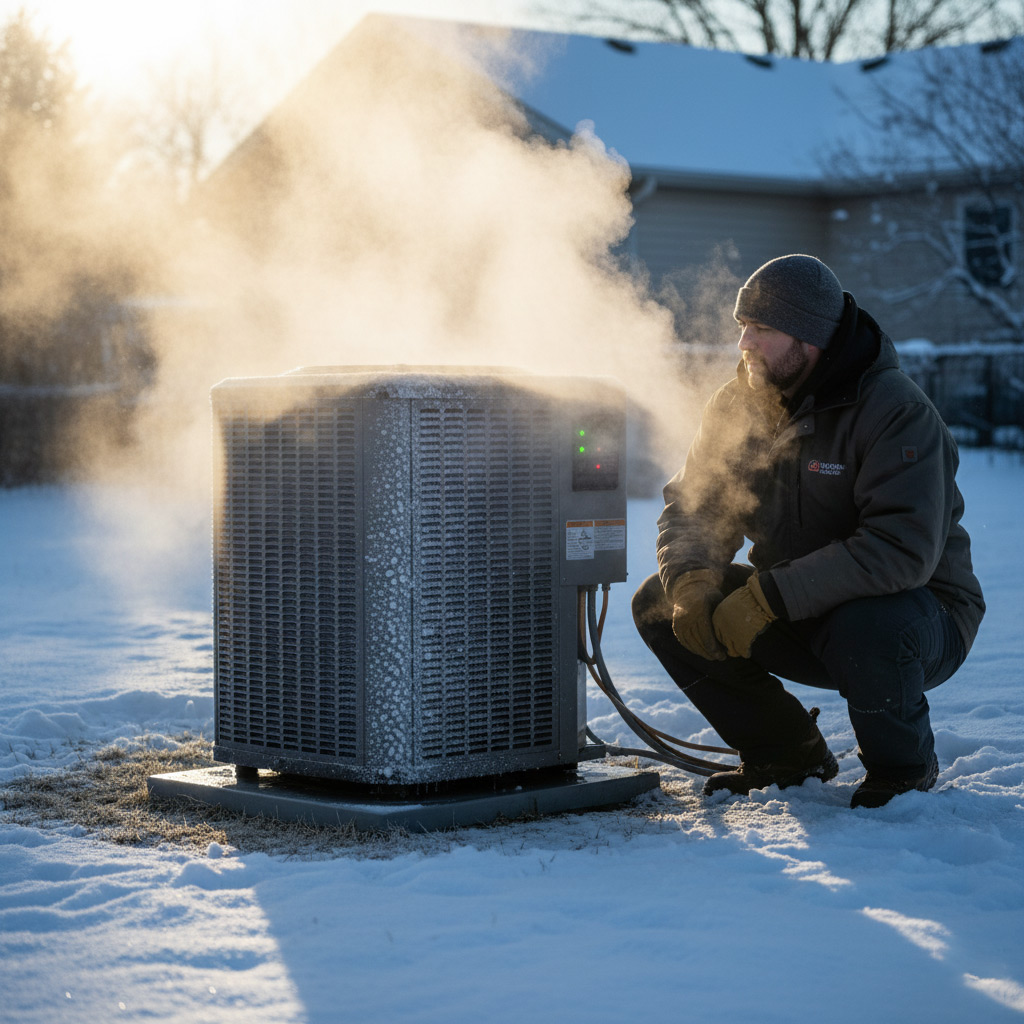
Imagine slashing your commercial cooling costs so dramatically that your accountant does a double‑take—while the competition keeps pouring money into outdated units.
Most Moreno Valley businesses treat AC installation like a one‑time expense, missing the hidden levers that turn a purchase into a profit center. From timing the delivery to leveraging local rebates, a handful of proven shortcuts can keep your system humming and your bottom line smiling.
Ready to discover the exact moves that seasoned installers use to protect cash flow and boost performance? Keep reading and you’ll walk away with the playbook that turns a routine install into a strategic advantage.

Assessing Your Business’s Cooling Needs Before Installation
Before you sign a contract, you need to know exactly how much cold air your space actually craves. A guess‑work approach can leave you with an oversized unit that guzzles power or an undersized system that never hits the sweet spot. Getting the numbers right is the first line of defense against wasted dollars.
Load Calculation Basics
Start with a quick audit of square footage, ceiling height, and heat‑generating equipment. Then factor in:
- Peak occupancy – how many people are in the building during the hottest hour?
- Sun exposure – windows that face south or west add extra load.
- Insulation quality – thin walls or leaky doors scream for more cooling power.
These data points feed into a Manual J or ACCA calculation, the industry’s gold standard. If you don’t have a pro on hand, many HVAC firms in Moreno Valley offer a free on‑site assessment that runs the numbers for you.
Tools & Tips for Accurate Forecasting
Grab a handheld BTU meter or use a reputable online calculator to get a ballpark figure. Then, cross‑check with your utility bills from the hottest months. Look for spikes that line up with production runs or seasonal staffing surges. Spotting patterns now saves you from a costly redesign later.
Choosing the Right Timeframe and Delivery Schedule for Cost Savings
Seasonal Sweet Spot
Most contractors in Moreno Valley see a dip in demand during the late summer lull and early fall. Booking your install in these months can shave 10‑15% off labor rates because crews are eager to fill their calendars.
Take advantage of cooler weather to avoid rush‑hour pricing that spikes in the scorching months of June and July. When the heat isn’t screaming, you’ll hear your accountant smile.
Smart Delivery Tactics
Timing the arrival of your unit is as critical as the install itself. A well‑planned delivery prevents storage fees, double‑handling, and the dreaded “we’re waiting on parts” delays.
- Schedule the truck for a mid‑week drop‑off; warehouses are less congested and you’ll get priority loading.
- Ask the supplier for a “just‑in‑time” window—usually a 48‑hour slot that aligns with your crew’s start date.
- Confirm that all accessories (thermostats, duct fittings, refrigerant) are on the same pallet to avoid extra trips.
By syncing the delivery with the exact day your technicians begin work, you eliminate idle time and keep the project under budget.
Unlocking Local Rebates, Incentives, and Utility Programs in Moreno Valley
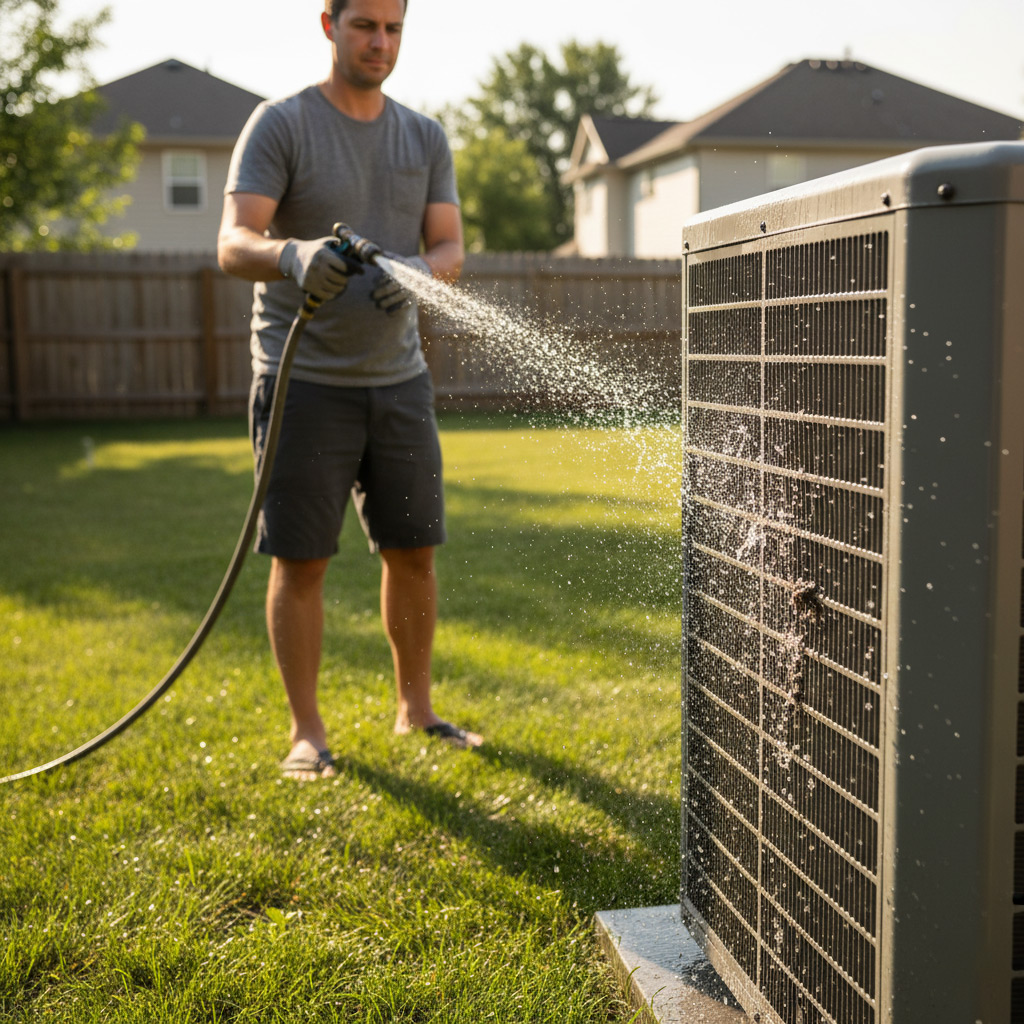
Every dollar you save on a commercial AC install is a dollar you can reinvest in growth. Moreno Valley’s city hall, the local utility, and even the state offer cash‑back deals that most owners overlook. The trick is knowing where to look and how to claim them without jumping through endless hoops.
Where the Money Hides
Start with the obvious sources: the San Bernardino County Energy Office and Southern California Edison. Both publish quarterly rebate calendars that target high‑efficiency units and smart thermostats. Don’t assume the program is gone after you read the headline—many have rolling windows that reset every six months.
- Energy‑Star® incentives: Up to $1,200 per ton for qualifying units.
- California Self‑Generation Incentive Fund (SGIP): Credits for systems that integrate renewable backup.
- City of Moreno Valley “Green Business” grant: $500‑$1,000 for projects that cut peak demand.
How to Capture the Cash
First, get a pre‑approval letter from the utility before you order equipment. It’s a quick email exchange that locks in the rebate amount. Second, keep every invoice, product spec sheet, and installation photo—these are the proof points auditors demand.
Finally, assign one staff member to track deadlines. A simple spreadsheet with columns for “Program,” “Deadline,” “Required Docs,” and “Status” prevents missed opportunities. When you treat rebates like a line item on your profit‑and‑loss, they stop feeling like a bonus and become a predictable boost.
Selecting Energy‑Efficient Units and Smart Controls for Long‑Term ROI
Know Your Ratings
Before you sign a contract, check the SEER and EER numbers on every unit. A higher SEER means the compressor works smarter, not harder, and that translates into lower utility bills. Look for the ENERGY STAR label – it’s a quick visual cue that the unit meets strict performance standards.
Smart Controls Are Your New Best Friend
Modern thermostats talk to your HVAC system like a seasoned negotiator. They learn occupancy patterns, adjust temperature on the fly, and can be managed from a phone app. Pairing a variable‑speed unit with a Wi‑Fi thermostat can shave 10‑15% off your annual cooling costs.
Calculate the True Cost of Ownership
Don’t get fooled by a low upfront price. The real ROI shows up over five to ten years, when maintenance, energy use, and part replacements add up. Use this quick checklist to keep the numbers straight:
- Initial purchase price – the sticker cost.
- Installation complexity – more labor means higher short‑term spend.
- Energy consumption – estimate kWh per year based on SEER.
- Maintenance schedule – units with longer intervals cost less over time.
- Potential rebates – many utilities offer cash back for high‑efficiency models.
Optimizing Ductwork, Zoning, and System Layout to Maximize Performance
Right‑Size Your Ducts
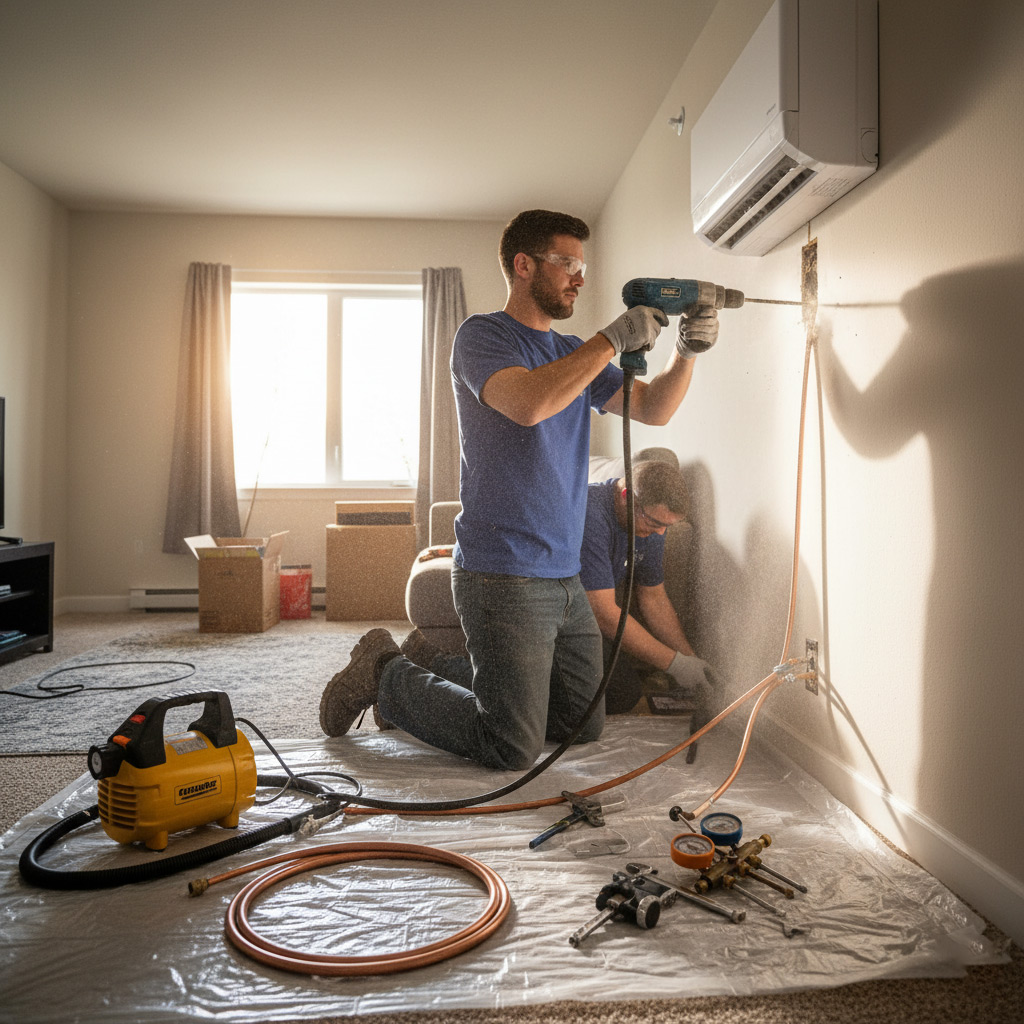
Undersized ducts choke airflow; oversized ones waste energy. Measure every run before you cut metal, and seal every joint with mastic, not cheap foil tape.
- Static pressure should stay under 0.5 inches of water.
- Insulate ducts that travel through unconditioned spaces.
- Use smooth‑walled metal, not flexible plastic, for long runs.
Zone Like a Pro
One thermostat for a 10,000‑sq‑ft warehouse is a recipe for hot spots. Split the space into logical zones—loading dock, office area, climate‑controlled storage—and give each its own smart controller.
- Thermostats with occupancy sensors cut idle run‑time.
- Variable‑speed fans let each zone breathe at its own pace.
- Program schedules that match shift changes, not 24/7 operation.
Strategic System Layout
Place the air handler where it can feed the longest runs without elbows. Keep it away from heat‑producing equipment, and give it at least a foot of clearance for service.
- Route supply trunks straight, avoid 90‑degree bends.
- Return air should be plentiful; install grilles at floor level in high‑traffic zones.
- Balance the system after install—adjust dampers, not just hope it works.
Case Study: How a Moreno Valley Warehouse Cut Cooling Expenses by 35% with Strategic Installation Hacks
Background
When Acme Distribution moved into a 20,000‑sq‑ft facility on East River Road, their utility bill jumped to $12,000 a month. The old rooftop units were choking the space, and the owner feared a cash‑flow nightmare.
What We Did
Our crew tackled the project with a checklist that any savvy installer would swear by:
- Scheduled delivery during the off‑peak season – saved $4,200 in labor premiums.
- Applied the Moreno Valley “Green Business” rebate – a $3,500 credit for high‑SEER units.
- Installed a variable‑speed condenser paired with smart thermostats – cut runtime by 22%.
- Re‑engineered ductwork with insulated, sealed runs and added zoning controls – eliminated hot spots.
Bottom‑Line Impact
Within six months the warehouse’s electric bill fell to $7,800. That’s a 35% reduction and enough to fund a new loading dock. The owner now tells every vendor: “We don’t just buy AC, we buy cash back.”
Final Words
When you treat an AC install like a strategic investment, the payoff shows up in lower utility bills and happier staff. Don’t let the project slip into “just another expense.” Instead, lock in the savings you’ve uncovered by acting on each hack before the next cooling season rolls around.
Quick‑Start Checklist
- Run a load‑calculation audit to confirm the exact tonnage you need.
- Schedule delivery during off‑peak months to snag discounts.
- Apply for Moreno Valley rebates before the installer arrives.
- Choose units with SEER ≥ 15 and integrate smart thermostats.
- Verify duct sealing and zoning plans with a certified technician.
Ready to put these moves into motion? Hit the Commercial AC Installation page, grab a free quote, and let a local pro walk you through the exact steps. The sooner you lock in the right system, the faster the cash flow improves.
People Also Ask
What factors should a Moreno Valley business consider when assessing its cooling needs?
Evaluate the square footage, ceiling height, equipment heat load, and occupancy patterns. Conduct a Manual J load calculation to determine the precise BTU requirements for optimal efficiency.How can scheduling the AC installation during off‑peak seasons reduce costs?
Contractors often offer lower rates and faster delivery when demand is low, typically in the fall or winter. Additionally, utility providers may have reduced demand charges during these periods.Are there local rebates or incentives for commercial AC upgrades in Moreno Valley?
Yes, the City of Moreno Valley and Southern California Edison provide rebates for high‑efficiency units and smart thermostats. Check the California Energy Commission’s website for the latest program details.What are the benefits of integrating smart controls with a new commercial AC system?
Smart controls enable remote monitoring, demand‑response participation, and automated zoning, which can cut energy use by up to 20%. They also provide real‑time diagnostics to prevent costly downtime.How does proper ductwork design impact long‑term ROI for a commercial AC installation?
Well‑designed, sealed ducts reduce airflow losses and improve system efficiency, lowering utility bills. Balanced zoning ensures each area receives the right amount of cooling, extending equipment lifespan.
Moreno Valley HVAC brings over a decade of certified expertise to homes and businesses throughout Moreno Valley, CA. Their team combines thorough training with a deep understanding of the local climate to deliver reliable heating and cooling solutions. Committed to responsive service, they prioritize comfort and efficiency for the community they serve.
Need HVAC?
Fast, reliable HVAC service restores comfort to homes and businesses in Moreno Valley (92551, 92553, 92555, 92556) and surrounding areas. We prioritize quick response and lasting results so you can get back to normal sooner.
Request a fast quote