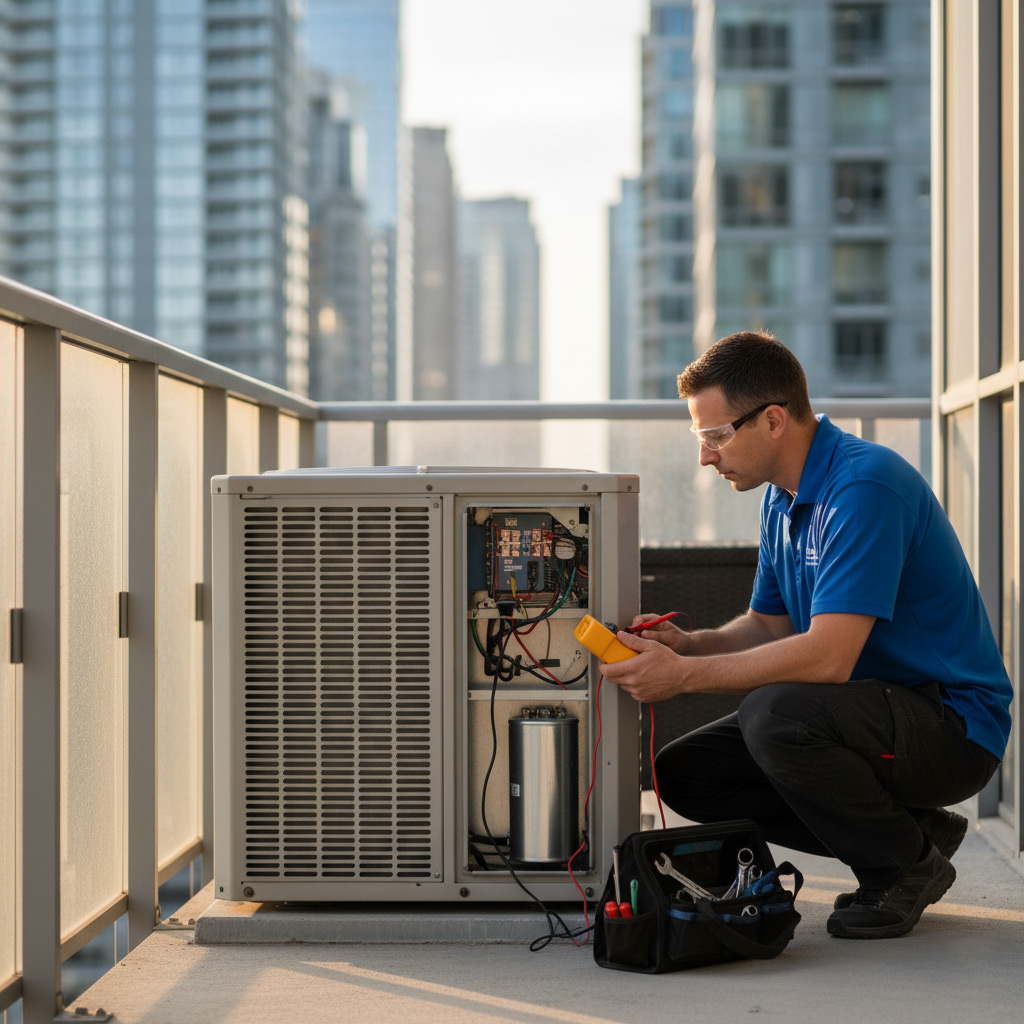
Ever notice your AC coughing out warm air right when the sun’s blazing down on Moreno Valley? That’s not a coincidence—it’s the exact moment the hidden tricks most technicians keep to themselves start to matter.
What if I told you there’s a handful of simple moves that can stop that nightmare before it even starts? The same moves the top‑tier pros use to keep their trucks humming and their customers smiling.
In this desert‑like stretch of California, a busted unit can feel like a personal betrayal. But the locals who know the game have a playbook that turns a costly breakdown into a quick fix.
Stick around, and you’ll discover the exact steps they swear by, plus the warning signs most homeowners miss until it’s too late. Ready to get the inside scoop?
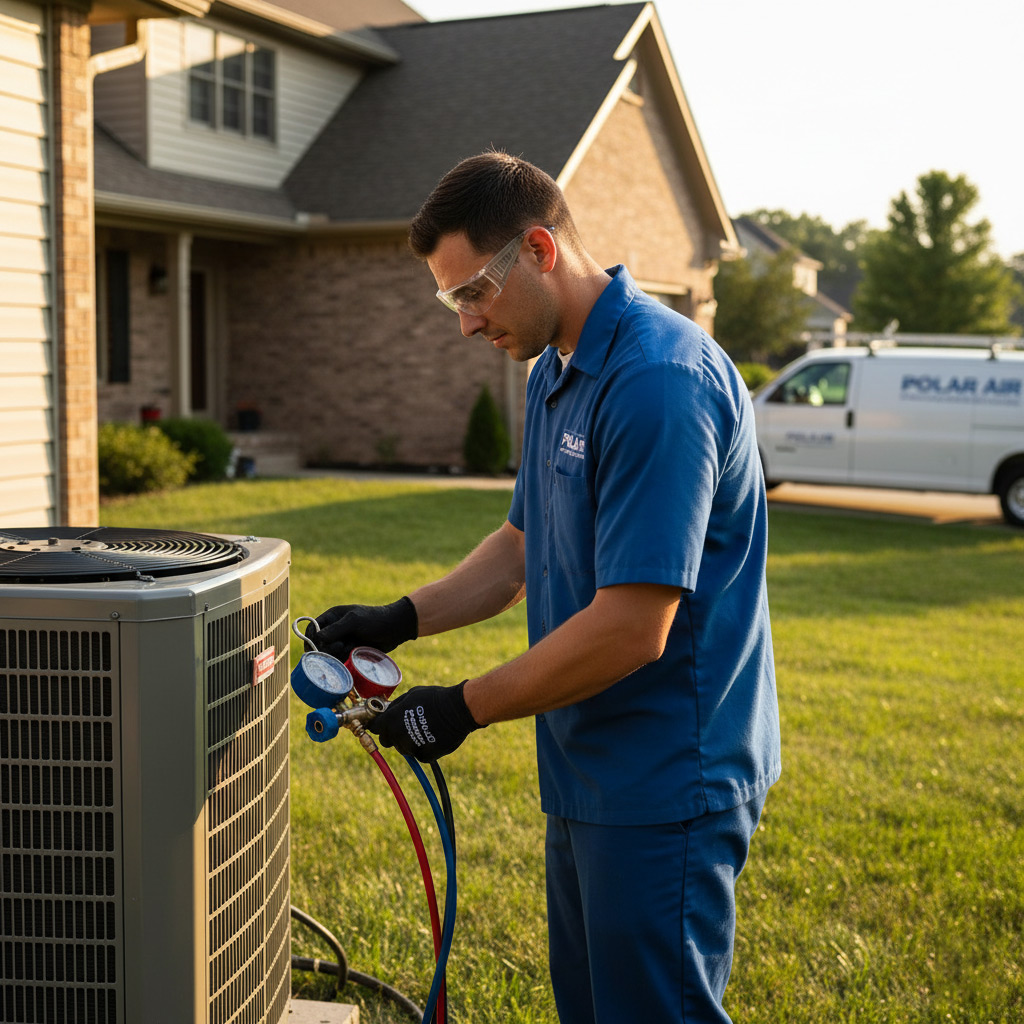
The Top 5 Warning Signs Your AC Is About to Fail in Moreno Valley
When the desert heat rolls in, your AC should be the first line of defense, not the first thing to quit. Spotting trouble early saves you from a sweltering night and a sky‑high repair bill. Below are the red flags that most homeowners ignore until it’s too late.
Spot the Symptoms
- Weak airflow – you feel a breeze, but it’s more a whisper than a wind.
- Strange noises – rattles, squeals, or a high‑pitched whine that wasn’t there before.
- Frequent cycling – the unit turns on and off every few minutes, never staying steady.
- Warm air from vents – the thermostat reads cool, but the room stays toasty.
- Foul odors – a musty, burning, or chemical smell wafts when the system runs.
If any of these show up, don’t wait for a total shutdown. Call a local Moreno Valley tech before the problem snowballs. A quick inspection can turn a costly emergency into a simple fix.
Why Preventive Maintenance Beats Emergency Repairs (And How to Do It Right)
The Money Talk
Skipping the yearly check is like gambling with your wallet. One surprise breakdown can drain $800‑$1,200 from your budget, plus the cost of a frantic tow.
Regular tune‑ups keep the system humming, which means lower electricity bills and fewer surprise calls at 2 a.m.
- Detect wear before it becomes a failure.
- Extend unit life by 3‑5 years on average.
- Lock in manufacturer warranty requirements.
Step‑by‑Step Checklist
Don’t wait for a crisis. Follow this simple routine every spring and fall.
- Filter swap: Replace or clean every 30‑45 days. A clogged filter forces the motor to work harder.
- Coil inspection: Look for dust or debris on the evaporator and condenser. A quick brush‑off restores airflow.
- Refrigerant level check: Low charge means the compressor strains and can overheat.
- Thermostat calibration: Make sure the reading matches the room temperature; an off sensor wastes energy.
- Drain line flush: Prevent moldy water backups that cause foul smells and corrosion.
Pro Tips for a DIY‑Friendly Tune‑Up
Grab a screwdriver, a garden hose, and a flashlight. Turn off power, then run through the list above.
If anything looks rusted, cracked, or you smell gas, call a certified Moreno Valley tech before you risk a bigger mess.

Hidden Culprits: Common AC Issues That Pros Fix Quickly
Most homeowners blame the heat on a busted compressor, but the real trouble often hides in the details. Dirty evaporator coils act like a clogged nose—air can’t flow, and the system works harder. When the coils are coated in dust, the fan spins faster, the motor overheats, and you get that dreaded warm‑air blast.
Typical Sneaky Problems
- Refrigerant leaks – a tiny pinhole can drop pressure, causing the unit to short‑cycle.
- Clogged condensate drain – water backs up, triggers a safety switch, and the AC shuts down.
- Thermostat miscalibration – the sensor reads a cooler room than reality, so the compressor never kicks in.
Pros spot these issues in minutes because they know where to look. A quick visual on the coil, a pressure gauge on the line, and a simple test of the drain pipe reveal the problem before it spirals. Fixing the leak, cleaning the coil, or clearing the drain line restores performance instantly.
DIY Checks Homeowners Can Perform Before Calling a Technician
Check the thermostat
First, make sure the thermostat is set to cool and the temperature is lower than the room’s current reading. Turn it off, wait a minute, then power it back on – a simple reset can clear a glitch that looks like a major failure.
If you have a programmable unit, verify the schedule isn’t stuck in “away” mode. A quick glance at the display often reveals a mis‑setting that’s costing you dollars.
Inspect the outdoor unit
Pull the grill away and look for obvious blockages – leaves, twigs, or a nest of insects. Clear anything you see; a clean coil can boost airflow dramatically.
- Check the fan blades – they should spin freely without wobble.
- Make sure the condenser coils aren’t coated in dust; a garden hose on a gentle spray does the trick.
Listen for strange noises
Turn the system on low and stand near the indoor blower. A rattling sound often means a loose screw, while a high‑pitched squeal points to a worn belt.
Write down what you hear and when it happens. That note will give the pro a head start, and you might solve the problem yourself before the truck even arrives.
The Secret Tools and Diagnostic Techniques Only Pros Use
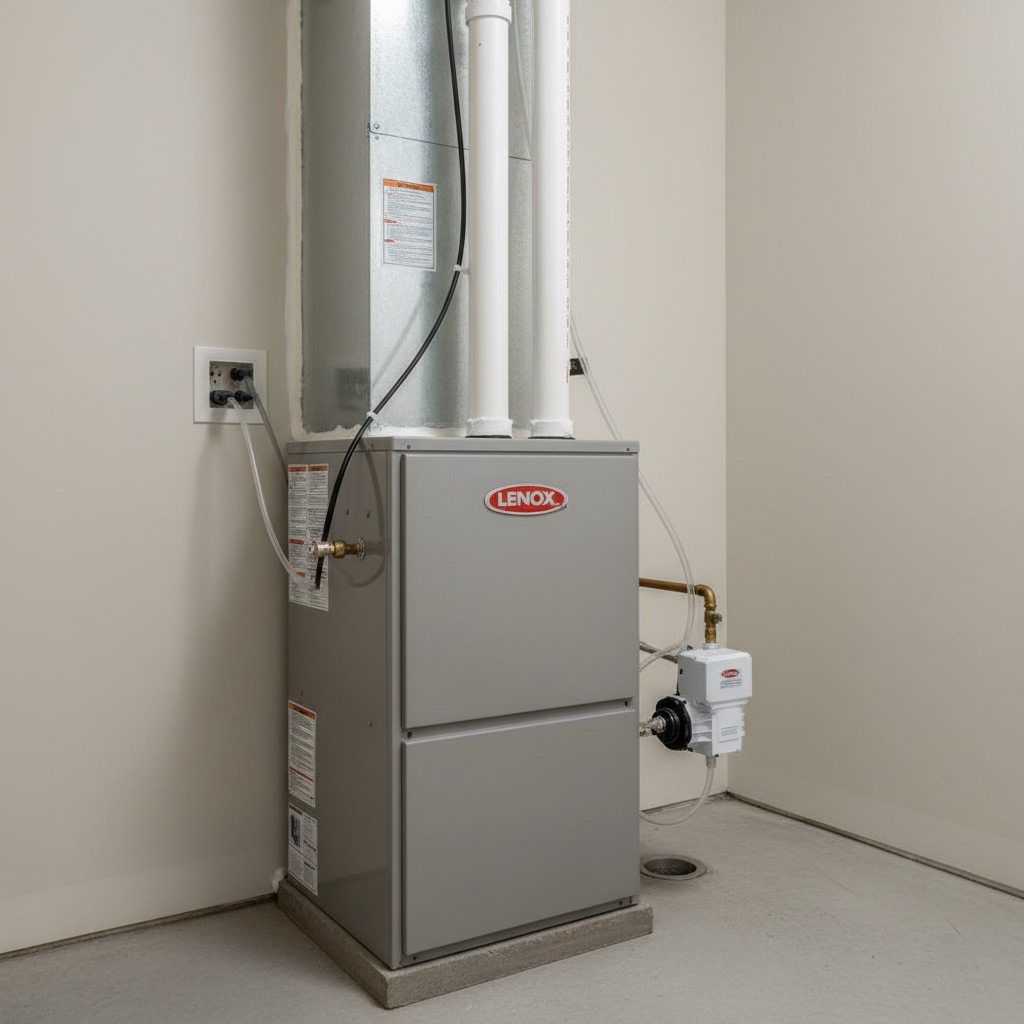
When a Moreno Valley tech rolls up, you’ll see a sleek manifold gauge set hanging from the belt, a handheld infrared thermometer, and a digital leak detector that looks like a sci‑fi wand. Those gadgets let them see pressure, temperature, and refrigerant loss in seconds—something a homeowner’s screwdriver can’t do.
Reading the Numbers Like a Pro
Pros don’t guess; they compare real‑time data to the manufacturer’s specs. A quick check goes like this:
- Low‑side pressure should match the ambient temperature chart.
- High‑side pressure tells you if the compressor is overworking.
- Thermometer readings on the evaporator coil versus the supply air reveal a hidden blockage.
When any of those numbers stray, the tech knows exactly which component to target, saving hours of trial‑and‑error.
Software & Sensors That Cut the Guesswork
Modern HVAC pros plug a tablet into the unit’s control board and run a diagnostic script that flashes error codes in plain English. The software cross‑references sensor data, so a faulty thermostat or a stuck relay shows up instantly.
Combine that with a nitrogen purge kit to clear moisture and a UV dye kit to spot tiny leaks, and you’ve got a toolbox that turns a potential disaster into a quick, clean fix.
Case Study: Restoring a 15‑Year‑Old AC Unit in a Moreno Valley Home in 24 Hours
The Situation
When the Johnson family called, their 15‑year‑old split‑system was blowing hot air on a 95‑degree afternoon. They’d tried the thermostat trick, but nothing changed. The house felt like a sauna, and the kids were already sweating in their pajamas.
The Diagnosis
Our tech arrived, ran a quick visual sweep, and uncovered three silent killers that most homeowners never see.
- Leaky refrigerant line – a tiny crack that let the charge escape.
- Clogged condenser coil – dust and pollen had built up like a blanket.
- Worn‑out capacitor – the heart that gives the compressor its kick.
The Fix
Within eight hours we had the unit humming again, and the rest of the day was spent fine‑tuning for peak performance.
- Repaired the refrigerant line and re‑charged the system to factory specs.
- Pressure‑washed the coil, restoring airflow and heat exchange.
- Swapped the capacitor with a high‑efficiency model, boosting start‑up reliability.
- Ran a 30‑minute test cycle, confirming steady 55°F output even under full load.
Final Words: Keep Your Cool All Summer Long
Stay Ahead of the Heat
When the mercury climbs, the last thing you want is a sputtering unit that leaves you sweating. The secret? regular, quick check‑ups that catch a clogged filter or a loose belt before they turn into a full‑blown breakdown. A five‑minute glance at the outdoor condenser, a clean coil, and a clear airflow path can shave dozens of dollars off your bill.
Pro tip: set a calendar reminder for the first Saturday of every month. It only takes 10 minutes, but the payoff lasts weeks.
Smart Scheduling Saves Money
Don’t wait for a scorching Tuesday to call a tech. Book a preventive service in the cooler months—October through December—when technicians have room in their schedule and rates are lower. This off‑season advantage means you get the same expertise at a friendlier price.
- Ask for a full system inspection, not just a filter change.
- Request a performance report that shows SEER efficiency.
- Insist on a written maintenance plan that outlines next‑step actions.
Know Where to Turn
If you ever feel the unit is acting up, don’t gamble. Reach out to a local specialist who lives and works in Moreno Valley. Their familiarity with the area’s climate quirks makes a world of difference. For a trusted partner, check out our Air Conditioning Repair page and see why homeowners keep coming back.
People Also Ask
What are the most common signs that my AC needs professional repair in Moreno Valley?
A sudden loss of cool air, strange noises, and a noticeable increase in energy bills are top warning signs. If the thermostat displays incorrect temperatures or the unit frequently cycles on and off, it’s time to call a pro.How often should I schedule preventive AC maintenance to avoid emergency repairs?
Most experts recommend a full maintenance check twice a year—once before the summer heat and once before winter. Regular filter changes and coil cleaning can extend the system’s life by up to 30%.Why do HVAC technicians use special diagnostic tools that homeowners don’t have?
Pros rely on calibrated pressure gauges, infrared thermometers, and electronic leak detectors to pinpoint issues quickly and accurately. These tools reveal hidden problems like refrigerant leaks or motor inefficiencies that a visual inspection can miss.Can I safely perform any AC checks myself before calling a technician?
Yes, you can inspect the air filter, clear debris around the outdoor unit, and verify that the thermostat is set correctly. However, never attempt to open sealed components or handle refrigerant without proper training.What hidden culprits cause AC failures that most homeowners overlook?
Clogged condensate drains, dirty evaporator coils, and failing capacitors are common but often unnoticed problems. Addressing these issues early can prevent costly compressor damage and restore performance.
Moreno Valley HVAC brings over a decade of certified expertise to homes and businesses throughout Moreno Valley, CA. Their team combines thorough training with a deep understanding of the local climate to deliver reliable heating and cooling solutions. Committed to responsive service, they prioritize comfort and efficiency for the community they serve.
Need HVAC?
Fast, reliable HVAC service restores comfort to homes and businesses in Moreno Valley (92551, 92553, 92555, 92556) and surrounding areas. We prioritize quick response and lasting results so you can get back to normal sooner.
Request a fast quote