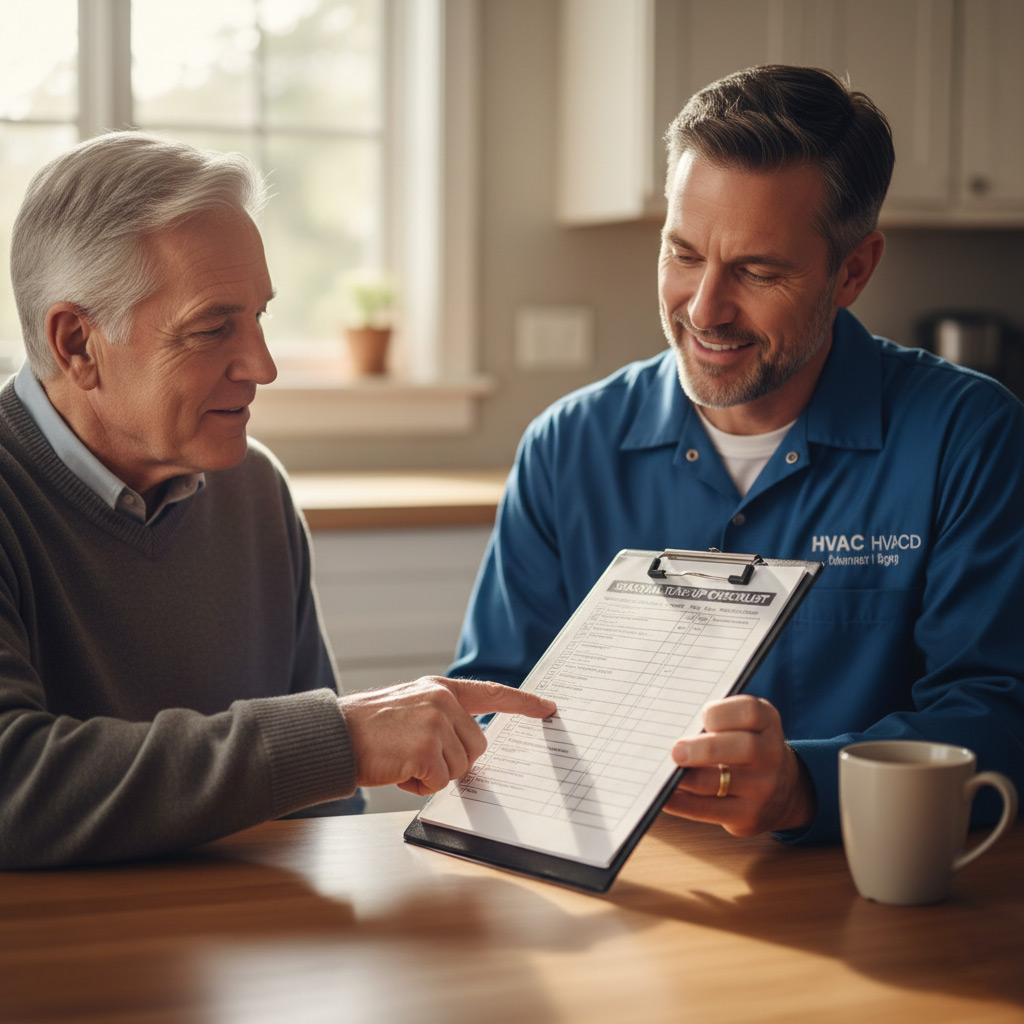
Your furnace just let out a rattling growl, and the first thought that pops into your head is a sky‑high repair bill. Before you start hunting for the cheapest “quick fix,” pause—most homeowners end up paying twice for the same mistake.
Skipping regular maintenance, slapping on cheap replacement parts, or trying to DIY a complex gas line repair are the three biggest money‑sinks we see in Moreno Valley. Each one not only jeopardizes your comfort but also invites bigger, costlier problems down the line.
Stick with us and you’ll learn the exact moves that keep your furnace humming and your wallet breathing easy.
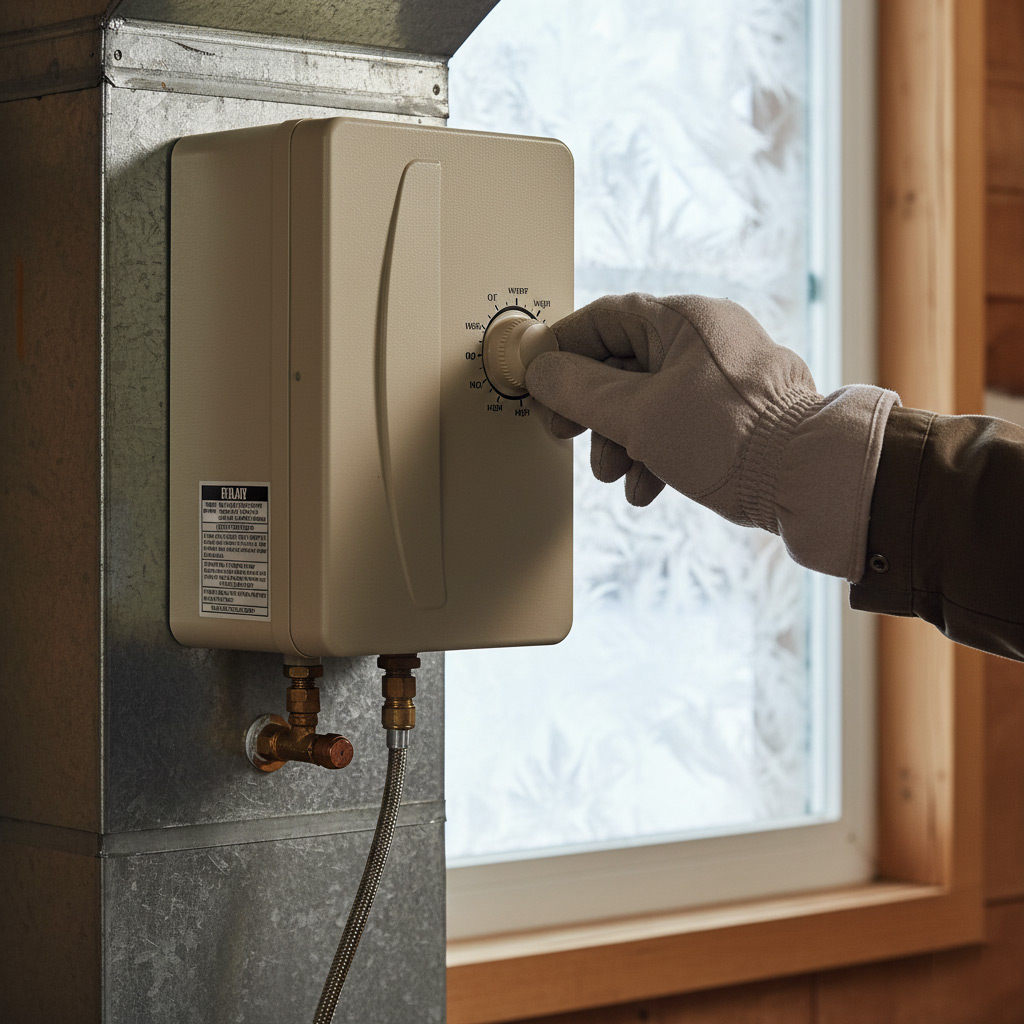
Understanding the True Cost of Furnace Neglect
When you let a furnace sit idle for months, the bill doesn’t just stay the same—it climbs. Dust‑clogged burners force the unit to work harder, spiking your energy bill by 15‑30 %. That extra heat isn’t free; it’s a silent tax on your wallet.
What the numbers look like
- Higher utility bills: A neglected furnace can waste up to 1,200 kWh a year.
- Premature part failure: Ignoring a cracked heat exchanger often means replacing the whole furnace in 2‑3 years instead of 10‑12.
- Emergency service premiums: Calls after hours can add $150‑$300 to a simple fix.
Those figures add up fast, turning a “minor” issue into a six‑figure headache over a decade. The real danger isn’t the repair itself; it’s the cascade of costs that follow when you ignore the warning signs.
The ripple effect of neglect
- Reduced home resale value – buyers spot an old, inefficient furnace and ask for credits.
- Increased wear on your HVAC system – one weak link drags the whole chain down.
- Potential safety hazards – carbon monoxide leaks are a real threat when components degrade.
The Importance of Regular Professional Maintenance
When a certified HVAC tech swings by, they’re not just tightening a screw. They’re hunting down the tiny issues that, left unchecked, turn into a $1,000 repair bill. Professional maintenance is the insurance policy you didn’t know you needed.
What a Pro Checks
- Heat exchanger integrity – cracks can leak carbon monoxide.
- Burner calibration – ensures clean, efficient combustion.
- Blower motor health – a worn motor strains the whole system.
- Gas line connections – a loose fitting is a fire hazard.
Each of these items takes minutes for a seasoned technician, but the payoff is months of trouble‑free heat. Skipping this step is like driving without oil; you’ll get there, but the engine will scream.
Regular service also keeps your furnace running at peak efficiency, which means lower utility bills. Think of it as a small investment that pays you back every winter night. Schedule a check‑up before the first cold snap, and you’ll avoid the frantic “call‑now” scramble when the temperature drops.
Spotting Warning Signs Before a Major Breakdown
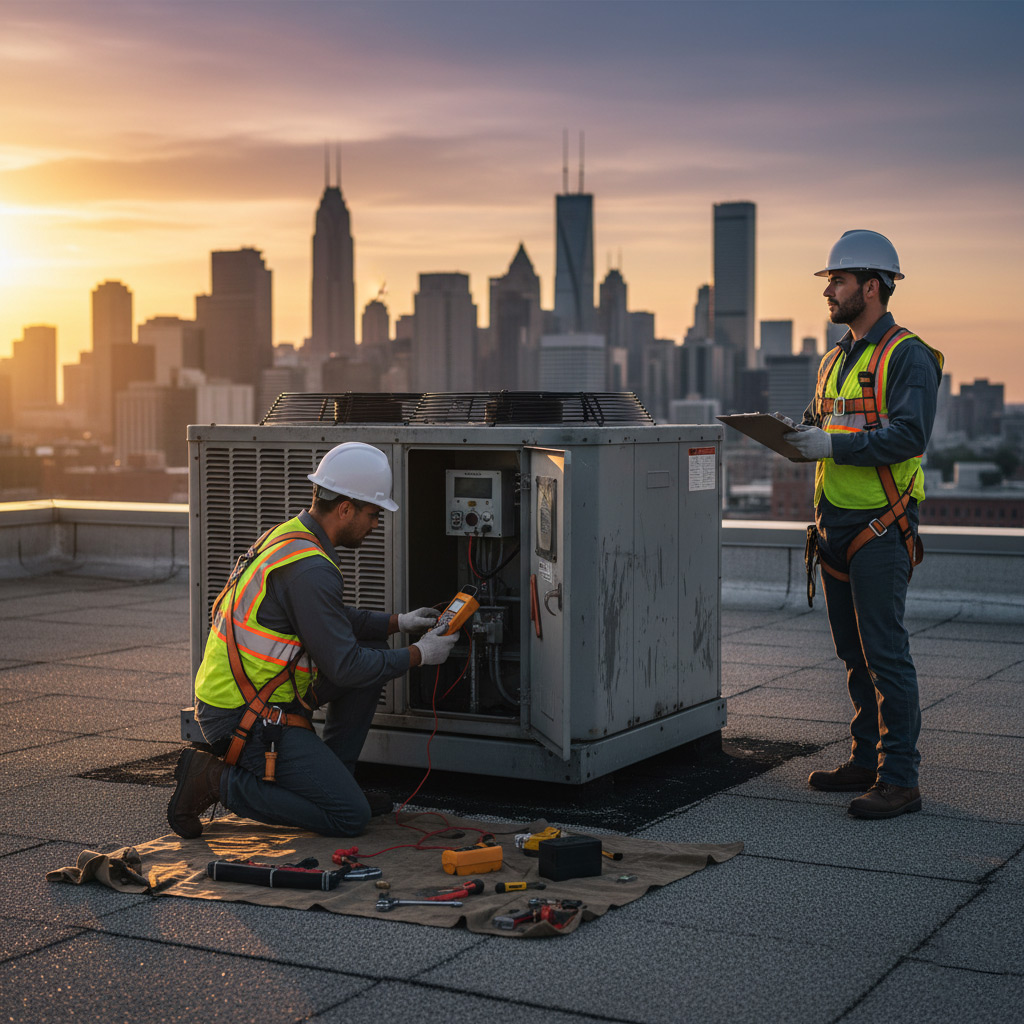
When your furnace starts coughing, sputtering, or making a high‑pitched whine, it’s not just a nuisance—it’s a red flag. Ignoring those sounds is like ignoring a car’s check engine light; the problem only gets worse. Take note of any sudden temperature swings in different rooms, too.
Key Symptoms That Demand Immediate Attention
- Flickering pilot light or a flame that won’t stay lit.
- Unusual odors—especially a rotten‑egg smell that hints at a gas leak.
- Frequent cycling on and off, which can overwork the motor.
- Dusty or clogged filters that cause reduced airflow.
Spotting these clues early can shave hundreds off a repair bill. A quick call to a certified Moreno Valley technician lets you replace a worn‑out part before it fries the whole system. Act fast, and you’ll keep the furnace humming and your energy bills in check.
Why Cheap Replacement Parts Cost More in the Long Run
When you grab a bargain‑bin heat exchanger or a $5 thermostat, you’re not just saving a few bucks—you’re betting on a ticking time bomb. Low‑grade components wear out faster, forcing you back to the service call sooner than a genuine OEM part ever would.
The hidden price tag of cheap parts
It’s not just the part itself. The moment a sub‑standard valve leaks or a flimsy blower motor stalls, the whole system suffers. The fallout looks like this:
- Increased energy bills – an inefficient furnace works harder, spiking your utility costs.
- Extra labor charges – technicians spend more time diagnosing and fixing collateral damage.
- Potential safety hazards – faulty gas connections can lead to leaks or carbon monoxide risks.
Choosing OEM or certified alternatives may feel pricey upfront, but the payoff is a furnace that runs clean, quiet, and without surprise repair tickets. Invest now, save later.
The Dangers of DIY Gas Line Repairs and When to Call a Pro
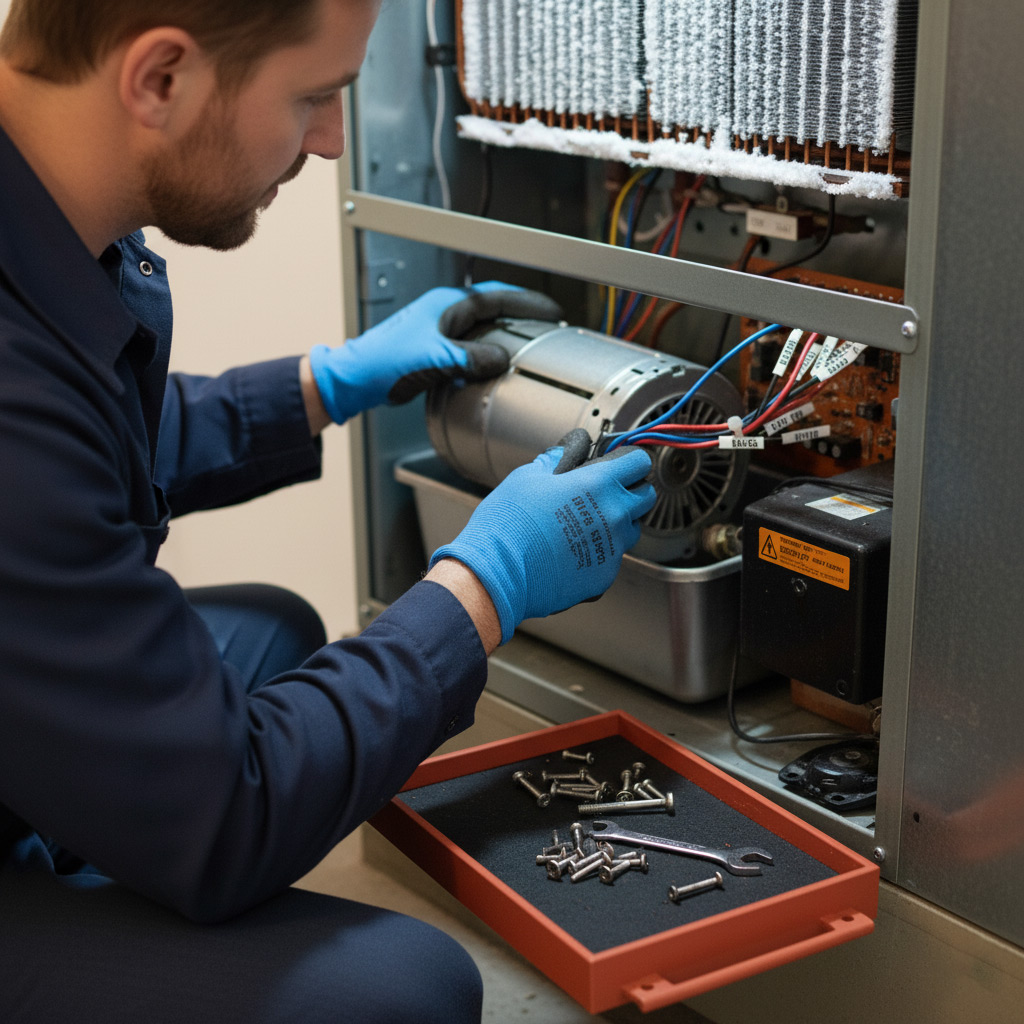
Why Gas Isn't a DIY Project
One slip, one spark, and you’ve got a fire hazard that can turn a home into a nightmare.
Even seasoned handymen admit that gas piping demands tools and knowledge most homeowners don’t have.
- Improper connections can leak invisible methane that builds up for hours.
- Wrong torque on fittings may cause a crack that only shows up after weeks.
- Local codes often require a licensed technician to sign off—skip that, and you risk fines.
When to Call the Pros
If you hear a hissing sound, smell a faint rotten‑egg odor, or notice the pilot light flickering, stop.
These are the red flags that say, “Call a certified HVAC specialist now.”
- Any repair that involves cutting or welding the gas line.
- Replacing a valve, regulator, or pressure sensor.
- When the furnace won’t ignite after a routine service.
Leave the gas to the experts, and you’ll keep your family safe and your furnace humming.
Real‑World Success: A Moreno Valley Furnace Repair Case Study
The Situation
When the Martinez family called, their 15‑year‑old gas furnace was coughing out black smoke and refusing to heat the living room. They’d tried a cheap thermostat swap that only made the problem worse.
Our tech arrived, ran a quick diagnostic, and discovered a cracked heat exchanger and a corroded gas valve. Those issues would have cost $2,500 if left unchecked.
What We Did
We replaced the heat exchanger with a factory‑approved unit and installed a new, certified gas valve. The job took just under three hours.
- All parts sourced from the original manufacturer
- Leak test performed with electronic detector
- System calibrated for optimal performance
The Bottom Line
After the repair, the Martinez home saw a 20% drop in their monthly energy bill and no more strange noises. They avoided a full furnace replacement, saving roughly $1,800.
They now schedule bi‑annual maintenance, which keeps the system humming and their wallet happy.
Final Words: Keeping Your Furnace Efficient and Your Wallet Happy
Think of your furnace like a car—you wouldn’t skip oil changes and expect it to run forever. A quick, professional check‑up once a year catches wear before it turns into a pricey breakdown. Schedule that service early in the season and you’ll stay warm without the surprise bill.
Simple habits that pay off
- Swap the filter every 30‑60 days. A clean filter lets air flow, cuts strain, and saves energy.
- Set your thermostat 1‑2 °F lower when you’re out. The savings add up.
- Keep a log of service dates and parts replaced. It helps the tech diagnose issues fast.
When a problem does surface, resist the urge to grab the cheapest part on a discount site. Quality components last longer and keep your system running at peak performance. If you’re ever unsure, give a certified Gas Furnace Repair pro a call—better safe than sorry, and your wallet will thank you.
People Also Ask
What are the hidden costs of ignoring furnace maintenance?
Neglecting regular maintenance can lead to reduced efficiency, higher energy bills, and premature component failure. These issues often result in expensive repairs or an early furnace replacement.How often should a professional inspect my gas furnace in Moreno Valley?
A qualified HVAC technician should perform a thorough inspection and tune‑up at least once a year, preferably before the cooling season begins. This helps catch minor problems before they become costly breakdowns.Can using cheap replacement parts damage my furnace?
Yes, low‑quality parts may not meet manufacturer specifications, leading to poor performance, increased wear, and potential safety hazards. Investing in OEM or certified parts ensures longevity and optimal efficiency.When is it unsafe to attempt DIY gas line repairs?
Any work involving gas lines should be left to licensed professionals; even a small leak can cause fire or explosion risks. If you smell gas or suspect a leak, shut off the gas supply and call a certified HVAC contractor immediately.What signs indicate my furnace needs professional repair rather than a simple fix?
Frequent cycling, unusual noises, uneven heating, or a sudden spike in energy costs are red flags. These symptoms usually require a trained technician to diagnose and resolve the underlying issue.
Moreno Valley HVAC brings over 15 years of residential and commercial climate‑control expertise to the Moreno Valley community. Their certified technicians specialize in efficient heating, cooling, and indoor‑air‑quality solutions tailored to local needs. Committed to reliable service, they prioritize prompt response and lasting performance for every client.
Need HVAC?
Fast, reliable HVAC service restores comfort to homes and businesses in Moreno Valley (92551, 92553, 92555, 92556) and surrounding areas. We prioritize quick response and lasting results so you can get back to normal sooner.
Request a fast quote