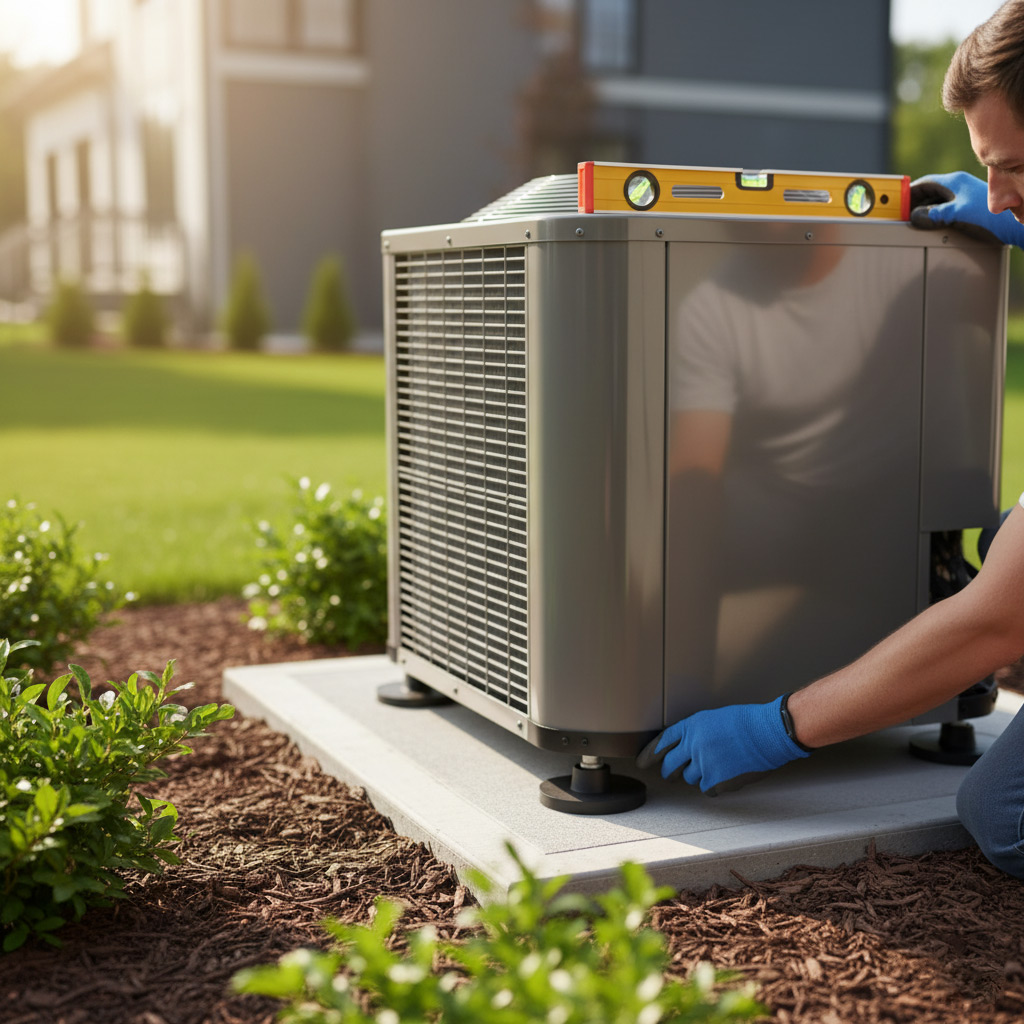
Picture this: your furnace coughs its last breath on a scorching July night, and the whole house feels like an icebox. You’re stuck between a busted boiler and a sky‑high repair bill, wondering if there’s a smarter way out.
In Moreno Valley, a proper boiler install isn’t just about swapping metal—it’s about matching the right size, the right fuel, and the right tech to your home’s unique layout. A misstep can cost you thousands in wasted energy and endless service calls.
Ready to see the exact steps that turn a risky gamble into a smooth, money‑saving upgrade? Keep reading and we’ll walk you through the whole roadmap, step by step.
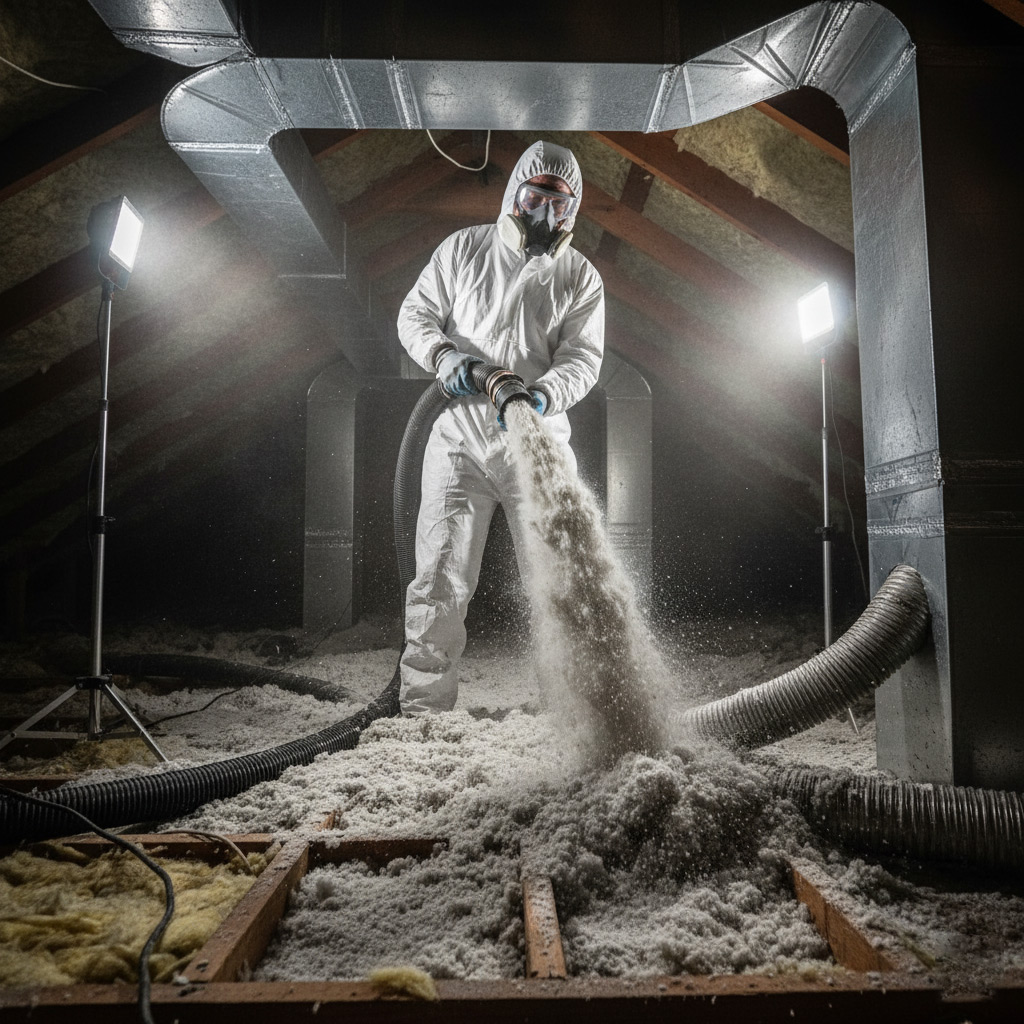
Assessing Your Home’s Heating Load and Determining the Correct Boiler Size
Before you even think about a new boiler, you need to know how much heat your house actually craves. Too small and you’ll be shivering; too big and you’ll be tossing money out the window. The trick is to pin down the exact load so the boiler you pick hits the sweet spot.
Key Factors That Drive Your Heating Load
- Square footage – bigger homes need more BTUs.
- Insulation quality – poor attic or wall insulation spikes demand.
- Window count and type – single‑pane glass is a heat thief.
- Local climate – Moreno Valley’s mild winters still need a baseline.
- Air leakage – drafts from doors or ducts add hidden load.
Most pros run a Manual J calculation or a simplified heat‑loss formula. Plug in the numbers, and you’ll get a clear BTU per hour figure. That number is the foundation for the next step.
Turning BTUs Into Boiler Size
- Match the BTU rating to a boiler that can deliver at least 10% more than your peak load – it gives room for cold snaps.
- Consider the boiler’s efficiency rating; a 95% unit will need a slightly lower input rating than a 80% model.
- Check the manufacturer’s sizing chart – it translates BTUs into gallons per hour or kilowatts.
When you line up the load, the efficiency, and the manufacturer’s specs, you end up with a boiler that runs steady, cuts waste, and keeps your Moreno Valley home cozy all winter long.
Selecting the Ideal Fuel Source for Moreno Valley’s Climate and Energy Costs
Fuel Options Overview
Moreno Valley homes typically run on natural gas, propane, oil, or electricity. Each fuel has its own quirks—natural gas is cheap but depends on pipeline access, propane is portable but can spike in price, oil burns hot but needs a storage tank, and electric offers clean heat at a premium.
- Natural Gas: Low per‑BTU cost, steady supply.
- Propane: Great for off‑grid spots, price varies seasonally.
- Oil: High heat output, requires regular tank maintenance.
- Electric: Zero onsite emissions, higher electricity rates.
Cost & Climate Match
Moreno Valley’s mild winters mean you don’t need a furnace that runs 24/7. Pick a fuel that balances upfront price with ongoing bills. Natural gas usually wins the cost battle, but if your home isn’t hooked up, propane can be a solid backup.
- Check your utility bill: if gas is already on the meter, stick with it.
- Calculate annual fuel cost: multiply BTU demand by local fuel price.
- Consider seasonal spikes: propane can jump 30% in winter.
Future‑Proofing Your Choice
Look beyond today’s rates. California offers rebates for high‑efficiency gas boilers and incentives for electric heat pumps. Even if you go gas now, plan for a possible switch to electric when the grid gets greener.
- Ask your installer about rebate eligibility before you decide.
- Check local ordinances: some neighborhoods are phasing out oil.
- Think long term: a fuel‑flexible boiler can save headaches later.
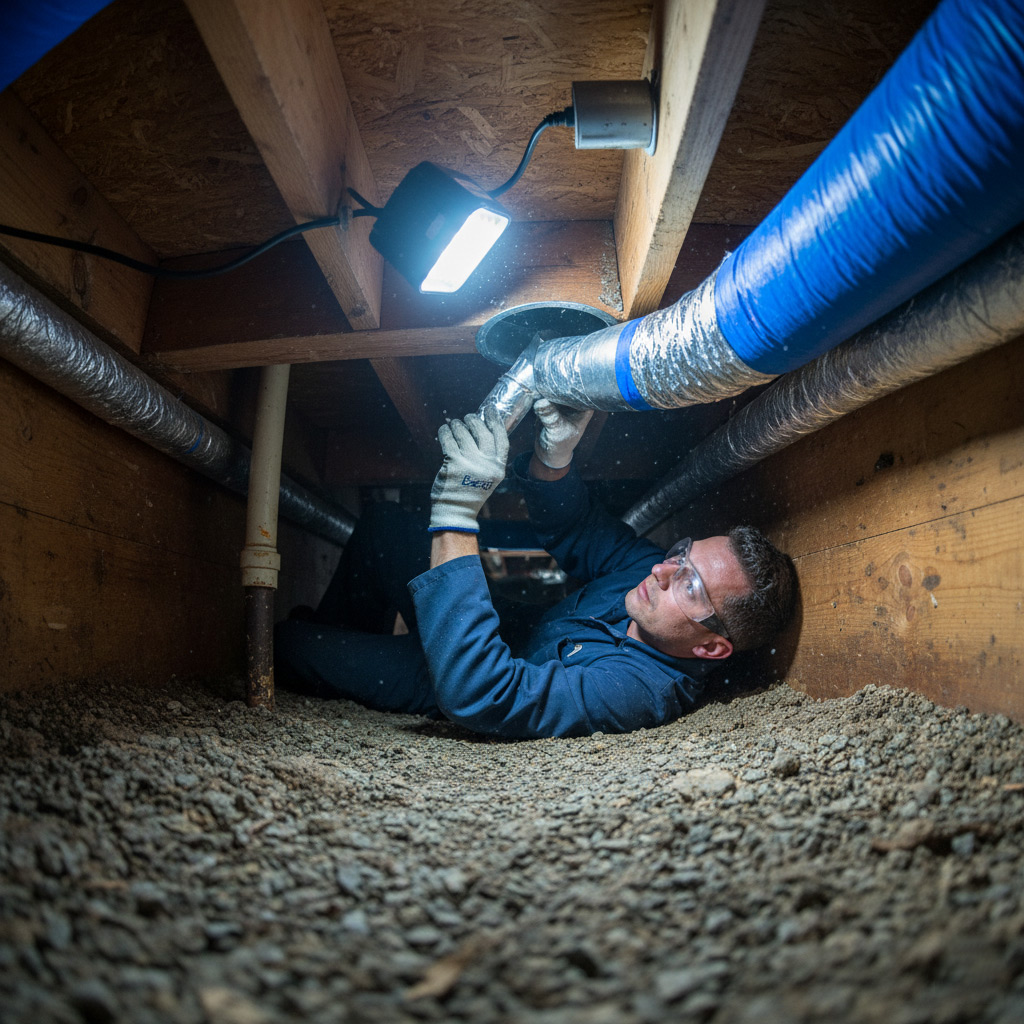
Comparing High‑Efficiency Boiler Technologies and Features
Condensing vs. Non‑Condensing Boilers
Condensing models capture heat from exhaust gases that would otherwise be lost, pushing efficiency into the high‑90s. Non‑condensing units simply vent that heat away, leaving you with lower performance and higher bills. In Moreno Valley’s mild winters, the extra upfront cost of a condensing boiler pays for itself in a few seasons.
Modulating vs. Fixed‑Burn Boilers
A modulating boiler adjusts its output in tiny increments, matching the exact demand of your home. This means the furnace runs at a whisper instead of a roar, cutting fuel waste. Fixed‑burn systems crank on full blast, then shut off, creating temperature swings that feel like a roller‑coaster.
Key Features to Look For
- Outdoor reset control – automatically lowers water temperature when it’s warm outside.
- Weather‑compensation sensors – fine‑tune output based on real‑time climate data.
- Integrated smart thermostat compatibility – lets you monitor performance from your phone.
- Built‑in diagnostic alerts – early warning before a costly breakdown.
- Low‑NOx burners – keep your home and the environment cleaner.
Planning the Installation: Permits, Site Preparation, and System Integration
Permits & Inspections
Before any pipe is cut, Moreno Valley’s Building Department wants to see paperwork. A building permit confirms your new boiler meets local safety codes, while an mechanical permit guarantees the heating system is sized correctly.
Schedule the inspection early—most contractors file the permit the day they arrive, then the city inspector swings by within 5‑7 business days. Miss this step and you’ll face fines, re‑work, or a denied insurance claim.
Site Preparation
Clear the installation zone of clutter, and make sure there’s at least a 2‑foot clearance around the boiler for future service. If you’re swapping an old unit, remove the debris, cap the old lines, and check the floor for levelness.
Key prep tasks include:
- Verifying adequate venting space (at least 12 inches from combustible material).
- Ensuring a solid, non‑combustible base—concrete slab or steel frame.
- Running new gas or oil lines to meet the California State Fire Marshal standards.
System Integration
Connecting the boiler to your home’s existing distribution network isn’t a “plug‑and‑play” job. The contractor must map out pipe runs, balance radiators, and integrate any zone controls or smart thermostats.
Don’t forget the little things: a properly sized expansion tank, a pressure‑reducing valve, and a dedicated electrical circuit with a 30‑amp breaker. When every component clicks into place, you’ll avoid the dreaded “cold spot” and keep the system humming for years.
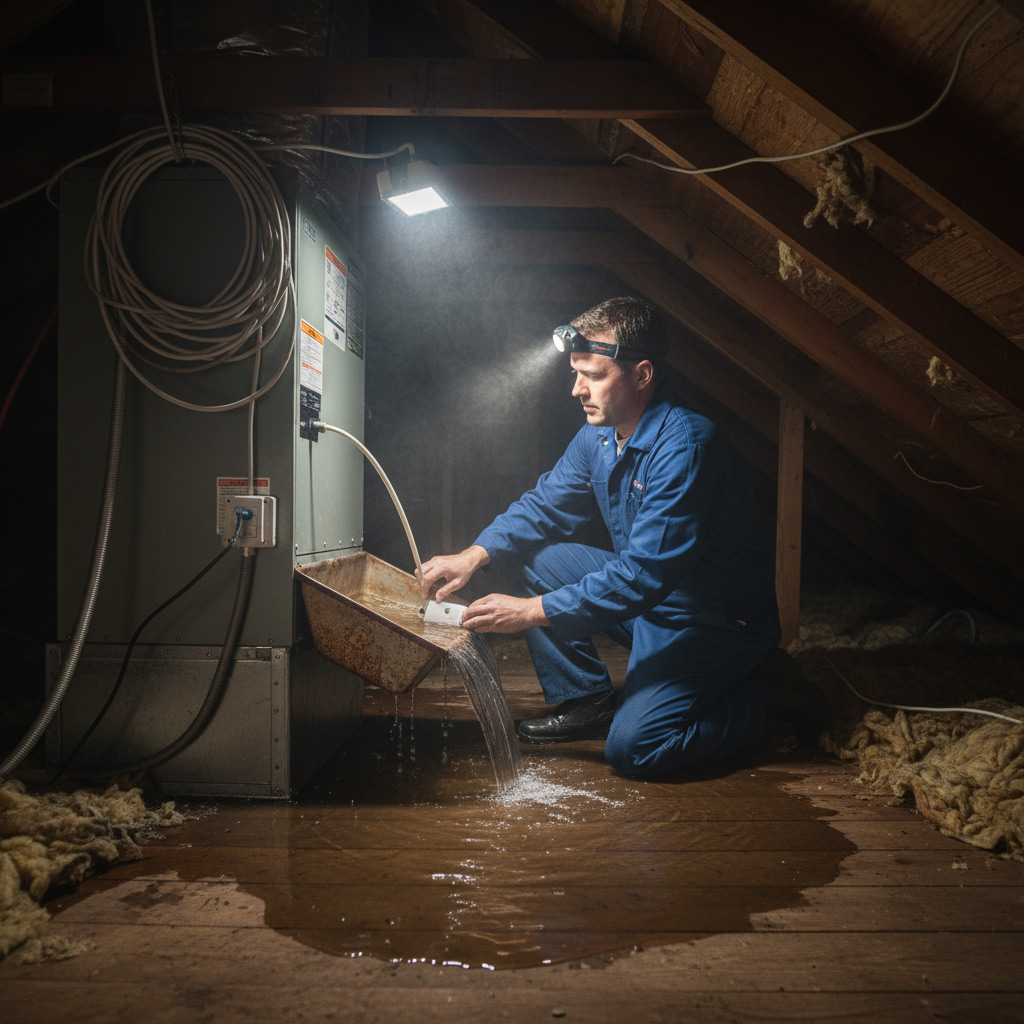
Step‑by‑Step Boiler Installation Process and Quality Assurance Checks
Day‑One: The Physical Install
First, the crew shuts off the old unit, drains the system, and clears a safe work zone. Precision matters—they mark the exact spot for the new boiler, double‑checking clearances for venting and maintenance access.
Next, the new boiler is hoisted into place, bolted to the mounting pad, and connected to the existing pipework. Every joint gets a pipe‑thread sealant approved for high‑temperature use. The fuel line—whether natural gas or propane—is fitted with a leak‑detecting sensor before the final turn‑on.
Day‑Two: Testing & Punch List
With the hardware locked down, the tech runs a pressure test to confirm there are no leaks. Pressure should hold steady for at least 30 minutes before moving on.
Then comes the ignition sequence: the boiler fires up, the circulator pump spins, and the thermostat signals a call for heat. The installer watches temperature differentials, verifies that the flame pattern matches the manufacturer’s spec, and records the combustion analysis.
- Check for proper vent draft and ensure no back‑pressure.
- Validate that the system reaches the setpoint within the expected time frame.
- Document all readings and hand over a warranty packet to the homeowner.
Case Study: Transforming a Moreno Valley Home with a Seamless Boiler Upgrade
The Challenge
When the Martinez family noticed their old oil boiler sputtering on a chilly December night, the heating bill skyrocketed and the house felt like a freezer. They needed a fix fast, but also wanted a system that wouldn’t bleed their wallet every winter.
The Solution
Our crew performed a precise heat‑load calculation, sized a 95,000 BTU high‑efficiency condensing boiler, and chose natural gas—cheaper and cleaner for Moreno Valley’s supply grid. Installation day was a ballet: we secured permits, pre‑wired the control panel, and integrated the new unit with the existing radiant floor loops.
- All connections tested with a pressure‑drop check before the first fire.
- System balanced in under two hours, no ductwork modifications needed.
- Homeowner received a detailed operation guide and a 12‑month service guarantee.
The Payoff
Three months later the Martinez’s heating cost dropped 38%, and indoor temps stayed steady at 70°F even during the 40°F night lows. They reported zero cold spots and praised the quiet, “whisper‑like” operation of the new boiler.
Final Words
Don’t let a new boiler become a “set‑and‑forget” nightmare. The moment the last pipe is capped, lock in a 12‑month service plan and set a calendar reminder for the annual tune‑up. A little discipline now saves you from costly breakdowns later.
Quick Wins to Keep Your System Happy
- Check the pressure gauge monthly – aim for the sweet spot the manufacturer recommends.
- Bleed radiators at the first sign of cold spots; it’s a 5‑minute job.
- Replace the thermostat battery before it dies – a dead battery can throw the whole system off.
- Keep the area around the boiler clear; dust and debris love to settle on heat exchangers.
When you’re ready to move from DIY checks to a professional upgrade, reach out to a local Moreno Valley specialist who knows the ins and outs of Boiler Installation. They’ll verify the sizing, confirm the fuel choice, and walk you through any permits so you can sit back and enjoy steady heat without a second thought.
People Also Ask
What size boiler do I need for my Moreno Valley home?
A qualified HVAC contractor will perform a heating load calculation (Manual J) to determine the BTU output required for your specific square footage, insulation levels, and climate. This ensures the boiler is neither oversized nor undersized, maximizing efficiency and comfort.Which fuel source is most cost‑effective for boilers in Moreno Valley?
Natural gas is typically the most affordable and readily available fuel in Moreno Valley, offering lower operating costs than oil or electricity. However, propane may be a viable alternative if gas service is unavailable, and solar‑assisted options can further reduce expenses.How do high‑efficiency boilers differ from standard models?
High‑efficiency boilers achieve AFUE ratings of 90% + by using condensing technology that captures waste heat from exhaust gases. They also feature modulating burners, advanced controls, and stainless‑steel heat exchangers for longer lifespan and lower utility bills.What permits are required for a boiler installation in Moreno Valley?
The City of Moreno Valley requires a mechanical permit for new boiler installations, and a building permit if structural modifications are needed. Your installer will handle the paperwork and coordinate inspections with the local building department.How long does a typical boiler installation take?
A standard residential boiler replacement usually takes 1–2 days, including removal of the old unit, site preparation, and connection to existing piping and controls. Final testing and a quality‑assurance checklist are completed before the system is commissioned.
Moreno Valley HVAC brings over a decade of residential and commercial climate‑control expertise to the Moreno Valley community. Their team of certified technicians delivers prompt, reliable service tailored to the unique demands of the local climate. Committed to energy efficiency and customer satisfaction, they keep homes and businesses comfortable year‑round.
Need HVAC?
Fast, reliable HVAC service restores comfort to homes and businesses in Moreno Valley (92551, 92553, 92555, 92556) and surrounding areas. We prioritize quick response and lasting results so you can get back to normal sooner.
Request a fast quote