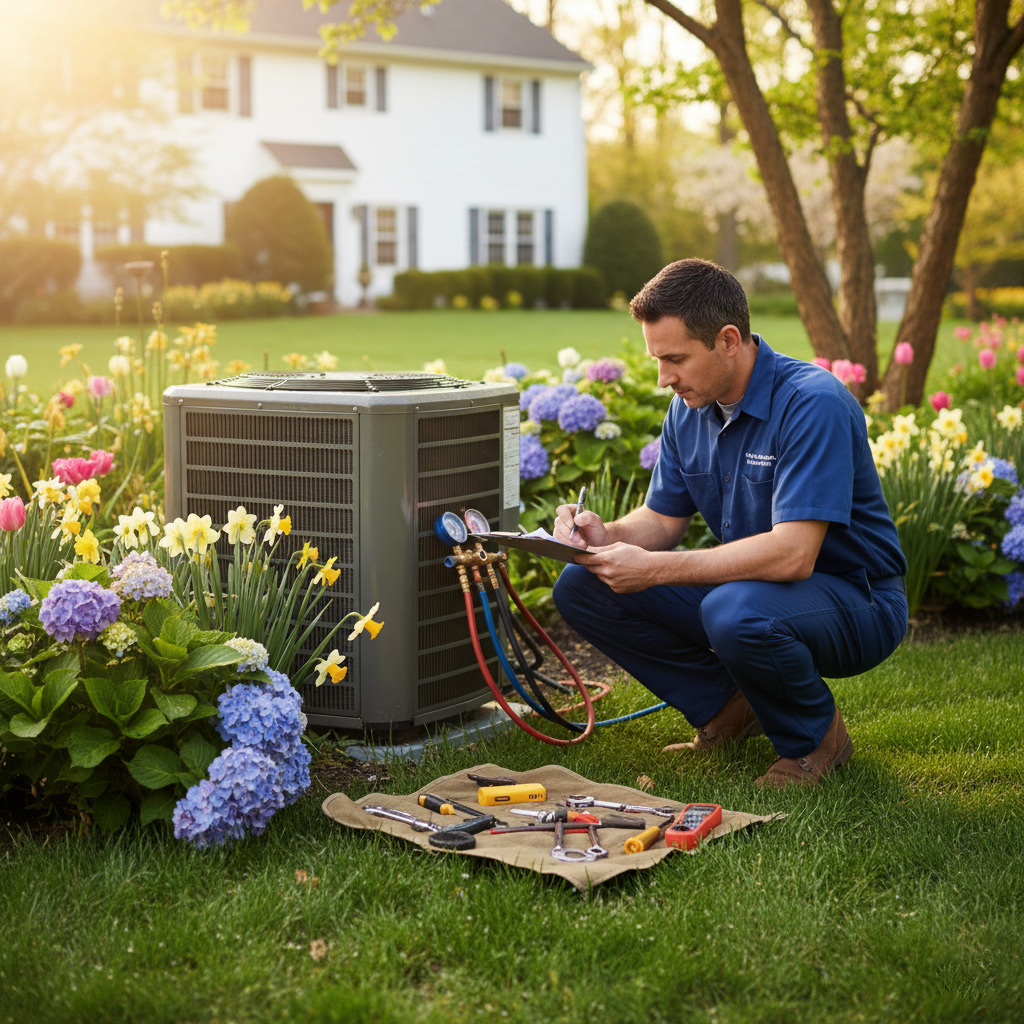
Picture this: the thermostat reads 72°, the house feels just right, and your utility bill looks like a joke. That’s the payoff when you swap out an aging unit for a system that actually knows how to work for you.
Moreno Valley’s scorching summers and chilly winters don’t give you a break, so a smart replacement plan is the only way to keep comfort steady without draining your wallet. You’ll learn which features matter, how to time the install, and what tricks the pros use to squeeze every drop of performance out of a new furnace or AC.
Ready to stop guessing and start saving? Let’s walk through the playbook step by step so you can make a confident decision and enjoy a home that feels right all year long.
Assessing Your Current HVAC System: Key Indicators It’s Time for Replacement
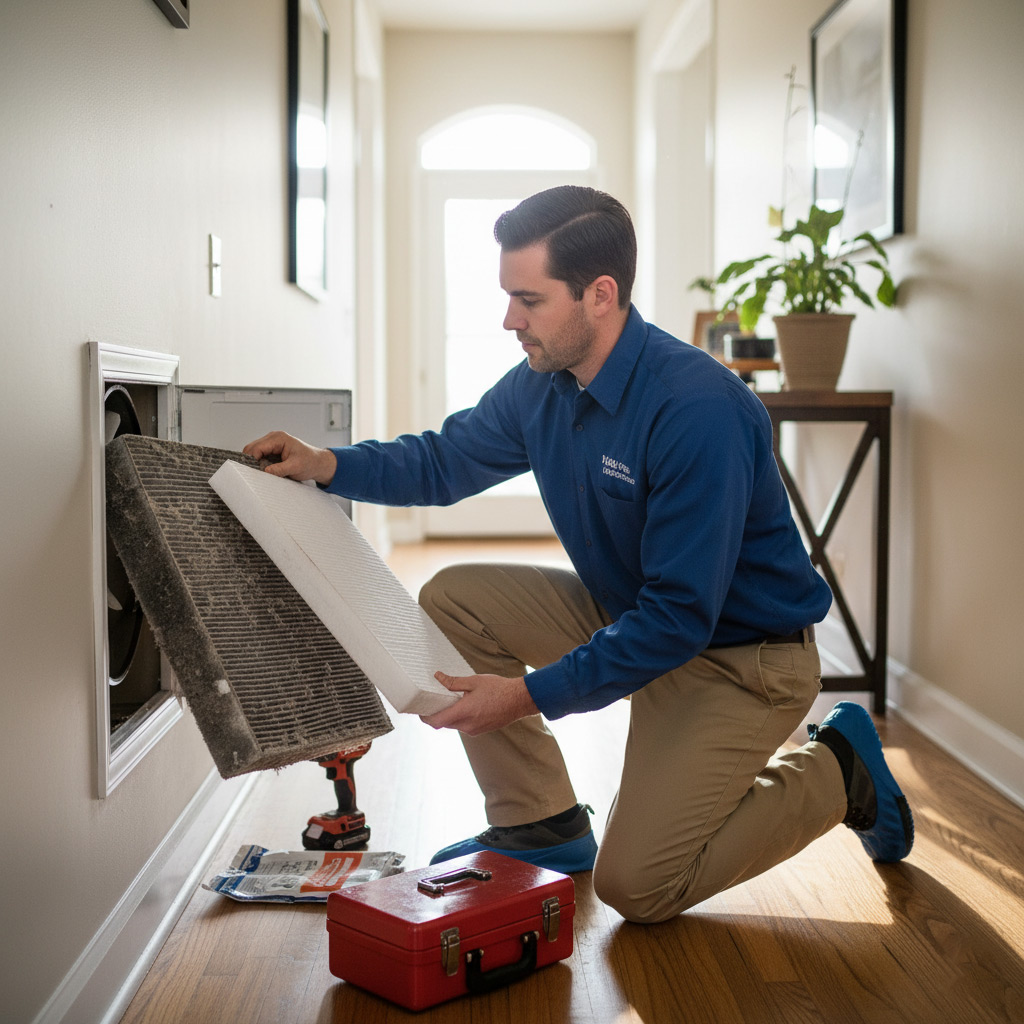
When your furnace starts coughing louder than a smoker’s lungs, or the AC takes forever to chill the living room, those are the first signs the old unit is begging for retirement. Don’t ignore the noise—it’s the system’s way of shouting “I’m overworked!” and your wallet is listening.
Red Flags to Watch
- Age over 12‑15 years – most manufacturers stop guaranteeing performance after this window.
- Rising utility bills despite unchanged habits – a hidden cost that adds up fast.
- Uneven temperatures from room to room – the ductwork is fine; the blower is tired.
- Frequent repairs (three or more a year) – you’re paying for a band‑aid, not a solution.
- Strange odors (musty, burning) – could mean failing coils or electrical issues.
Another tell‑tale sign is the thermostat’s stubbornness. If you set it to 72°, but the house swings between 68° and 78°, the sensor is probably out of sync with the hardware. That mismatch wastes energy and makes every season feel like a guessing game.
Finally, check the airflow. Hold a piece of paper near a vent; if it flutters weakly, the system’s fan motor or filter is clogged. A quick visual inspection can save you from a costly surprise when the unit finally quits.
Calculating the Ideal System Size and Type for Moreno Valley’s Climate
Moreno Valley’s heat can turn a modest AC into a furnace if you pick the wrong size. Too small and you’ll be sweating; too big and you’ll waste energy while the unit short‑cycles like a nervous rabbit.
Step 1: Load Calculation
Start with a Manual J load assessment—this is the gold standard for figuring out how many BTUs your home truly needs.
- Square footage: Bigger rooms = more cooling demand.
- Sun exposure: South‑facing windows add heat load.
- Insulation quality: Leaky walls steal comfort.
- Occupancy & appliances: People and gadgets generate extra heat.
Plug those numbers into a reputable calculator or ask a local pro to run the numbers. The result will land you in the 2,500‑3,500 BTU per ton range for most Moreno Valley homes.
Step 2: Choose the Right Type
Once you know the tonnage, decide whether a split‑system, heat pump, or packaged unit fits your layout and budget.
- Split‑system AC: Ideal for homes with existing ductwork.
- Heat pump: Handles both cooling and heating, perfect for mild winters.
- Packaged unit: Saves indoor space, great for tight crawl spaces.
Match the system type to your house’s architecture and your long‑term comfort goals. A well‑sized, correctly chosen unit will keep the thermostat steady and the bills low, no matter how fierce the desert sun gets.

Must‑Have Smart Features and Energy‑Saving Technologies for Modern Units
When you replace an old furnace or AC, you’re not just buying a bigger motor. You’re getting a brain that talks to your thermostat, your phone, and even the utility grid. That conversation can shave dollars off every bill while keeping the house at the perfect temperature.
Top Smart Controls
These gadgets turn a regular HVAC system into a personal comfort assistant.
- Wi‑Fi Thermostats – Adjust the temperature from the couch or the beach. Some models learn your schedule and pre‑heat or cool before you walk in the door.
- Zoned Sensors – Place a sensor in each major room. The system knows where you’re hanging out and directs airflow accordingly.
- Voice Integration – Alexa, Google Assistant, or Siri can change the set‑point with a simple command. No need to hunt for a remote.
Energy‑Saving Tech Inside the Unit
Modern units pack hardware that does the heavy lifting without wasting power.
- Variable‑speed compressors – They ramp up or down in tiny steps, matching demand instead of blasting full‑force all the time.
- Two‑stage heating – Provides a gentle, steady heat most of the day and kicks into high gear only when it’s really cold.
- Smart coils – Coils that clean themselves with a built‑in UV light, keeping airflow clear and performance high. Timing the Installation: Seasonal Discounts, Rebates, and Incentive Programs
- Up to 15% off standard installation fees.
- Free or discounted system tune‑ups bundled with the purchase.
- Priority scheduling before the summer rush.
- State Energy Commission rebate: $300‑$500 per ton for SEER ≥ 16.
- Local utility “Smart Home” credit: up to $250 for Wi‑Fi‑enabled thermostats.
- Federal tax credit: 30% of the equipment cost (subject to phase‑out dates).
- Perform a Manual J load calculation to confirm the exact BTU needs for your square footage and micro‑climate.
- Seal every duct joint with mastic or UL‑rated tape—no foil‑tape shortcuts.
- Charge the refrigerant to the manufacturer’s exact spec; over‑charging is a silent energy thief.
- Level the outdoor condenser and provide a clear 3‑foot clearance for airflow.
- Program the thermostat on‑site, syncing it with Wi‑Fi and any smart home hubs you already own.
- Smart zoning – each bedroom gets its own temperature control.
- Energy‑Star rating – 20% more efficient than his old unit.
- Built‑in diagnostics – the unit alerts the tech before a problem becomes a repair.
- Warranty details: Know what’s covered, for how long, and who handles service calls.
- Smart integration: Verify the thermostat talks to your phone, voice assistants, and any home‑automation hub you already own.
- Rebate paperwork: Keep a copy of every form; the savings disappear if you lose them.
When the Weather Helps Your Wallet
Installers love the shoulder seasons—late fall and early spring—because their schedules are wide open. Demand drops, so they’re willing to shave off labor costs.
Take advantage of these windows and you’ll often see:
Cash‑back and Tax Credits
California offers a suite of rebates for high‑efficiency units, and many utilities in Moreno Valley add their own incentives. Check the latest list before you sign—the numbers change yearly.
Typical programs include:
Locking in the Deal
Don’t wait until the heat wave hits. Call your preferred HVAC contractor now, ask for a written quote, and confirm which rebates apply to your address.
Ask them to coordinate the paperwork—they’ll handle the forms, you reap the savings. A quick phone call today can shave hundreds off the final bill.
Professional Installation Secrets: Maximizing Efficiency and Longevity
Why the Right Crew Matters
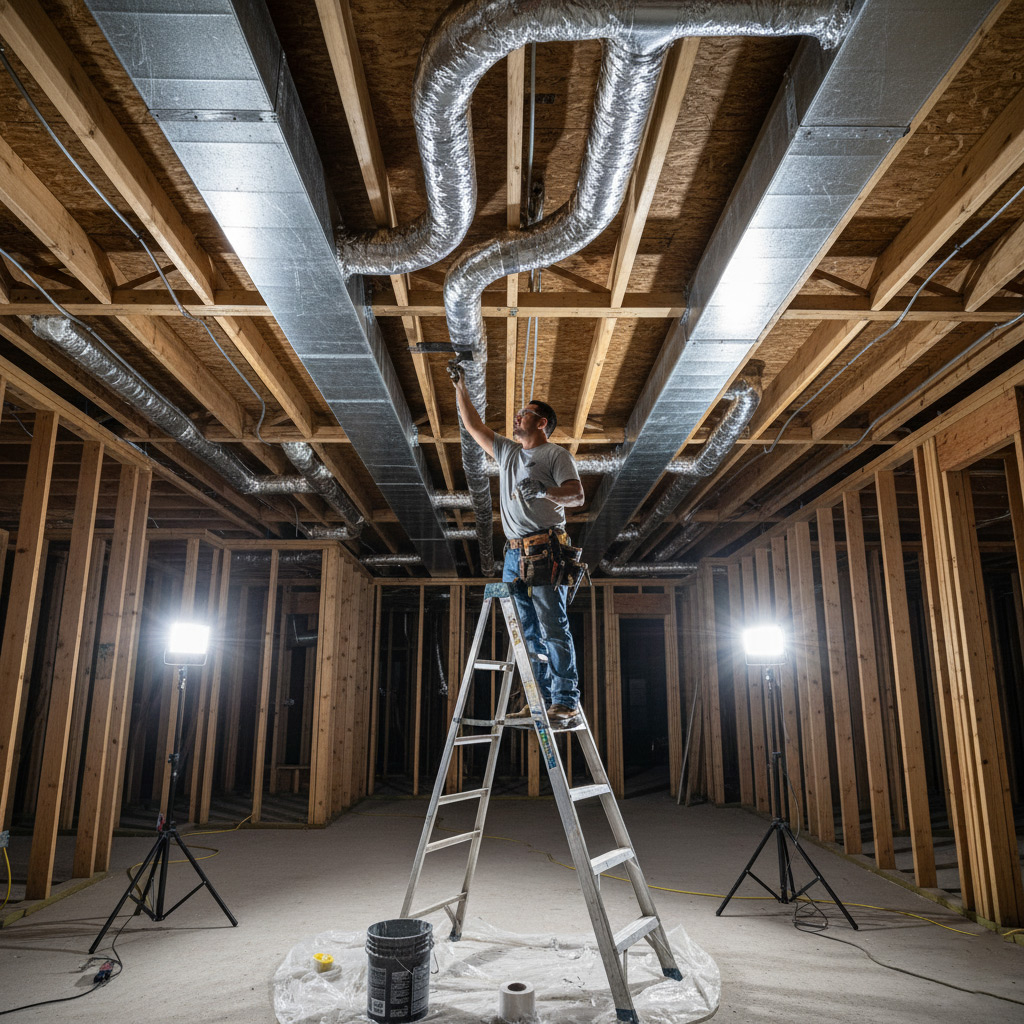
When a certified tech steps onto your floor, they bring more than a toolbox—they bring a playbook. Precision matters because a mis‑aligned coil or a loose connection can shave off 10‑15% of the unit’s output. Don’t settle for “just another handyman.” Look for installers with factory‑backed training and a clean track record in Moreno Valley.
Key Steps the Pros Won’t Skip
Even the smartest unit can underperform if the installation is sloppy. Here’s what seasoned installers do:
Post‑Install Checks That Lock In Savings
After the unit hums to life, the pros run a quick audit. They verify airflow with a manometer, test the thermostat’s response time, and walk you through a simple “check‑list” for daily care. Ask for a copy of the warranty paperwork and a maintenance schedule—most manufacturers void coverage if the install isn’t documented. A 5‑minute walkthrough now saves you a costly service call later.
Case Study: How a Moreno Valley Homeowner Cut Energy Bills by 35% After a Smart Replacement
The Situation
John, a longtime Moreno Valley resident, was paying $250 a month for cooling in July. His 15‑year‑old split system sputtered, ran nonstop, and still left the living room sticky. He knew the unit was a money‑sucking dinosaur.
The Smart Swap
We installed a 3‑ton, variable‑speed heat pump paired with a Wi‑Fi thermostat that learns his schedule. The system was right‑sized for his 2,200‑sq‑ft home, and we added a whole‑house air filter that actually catches dust before it clogs the coils.
Key upgrades included:
The Payoff
Within three months John’s electric bill dropped from $250 to $162, a 35% reduction. The upfront rebate and tax credit shaved $1,200 off the price, so his payback period is under four years.
He now enjoys a home that stays cool without the constant hum, and the smart thermostat sends him a text when the system runs at peak efficiency. That’s the kind of peace of mind that turns a house into a sanctuary.
Final Words
When you finally pull the trigger on a smart HVAC swap, you’re not just buying a unit—you’re buying peace of mind. A properly sized, tech‑savvy system will keep the house comfortable while the meter spins slower.
What to lock in before you sign
Don’t forget to browse the HVAC Replacement page for more tips on financing, seasonal promos, and local installer ratings. A little homework now saves you headaches—and dollars—down the road.
People Also Ask
How do I know if my HVAC system needs to be replaced?
If your unit is over 10‑15 years old, requires frequent repairs, or shows uneven heating/cooling, it’s a strong sign it’s time for a replacement. Look for rising energy bills and strange noises as additional red flags.What size HVAC system is ideal for a Moreno Valley home?
A Manual J load calculation, which considers square footage, insulation, window orientation, and local climate, determines the precise BTU rating needed. Most Moreno Valley homes fall between 3‑5 tons, but a professional assessment ensures optimal sizing.Which smart features should I prioritize in a new HVAC system?
Focus on Wi‑Fi thermostats, zoning controls, and variable‑speed compressors for maximum efficiency. Integrated air‑quality sensors and predictive maintenance alerts further reduce energy waste.When is the best time to schedule an HVAC installation for discounts?
Late fall and early spring often bring manufacturer rebates and utility incentives, plus lower installer demand. Check local utility programs for seasonal rebates specific to Moreno Valley residents.How does professional installation affect my system’s performance?
Proper duct sealing, correct refrigerant charge, and precise airflow balancing can boost efficiency by up to 15%. A certified installer also ensures the warranty remains valid and the unit runs at peak longevity.
Moreno Valley HVAC brings over a decade of residential and commercial climate‑control expertise to the Moreno Valley community. Their certified technicians specialize in efficient heating, cooling, and indoor‑air‑quality solutions tailored to local needs. Committed to responsive service, they prioritize comfort and energy efficiency for every client.
Need HVAC?
Fast, reliable HVAC service restores comfort to homes and businesses in Moreno Valley (92551, 92553, 92555, 92556) and surrounding areas. We prioritize quick response and lasting results so you can get back to normal sooner.
Request a fast quote