Picture this: the thermostat spikes to 78°, the AC coughs, and you’re left sweating while the electric bill climbs faster than a desert mirage. That’s the exact moment a missed filter change or a lazy coil cleaning bites you back.
Moreno Valley’s scorching summers and chilly winters don’t give your system a break, so a solid maintenance routine is the only thing that keeps your comfort zone intact. Skipping the basics isn’t just a money‑sink; it shortens the life of the equipment you paid good money for.
What if you could walk through a simple, step‑by‑step checklist that guarantees your HVAC runs like a champ all year long? Keep reading and you’ll get the exact actions you need to lock in performance and dodge costly repairs.
Seasonal HVAC Needs in Moreno Valley: What to Expect
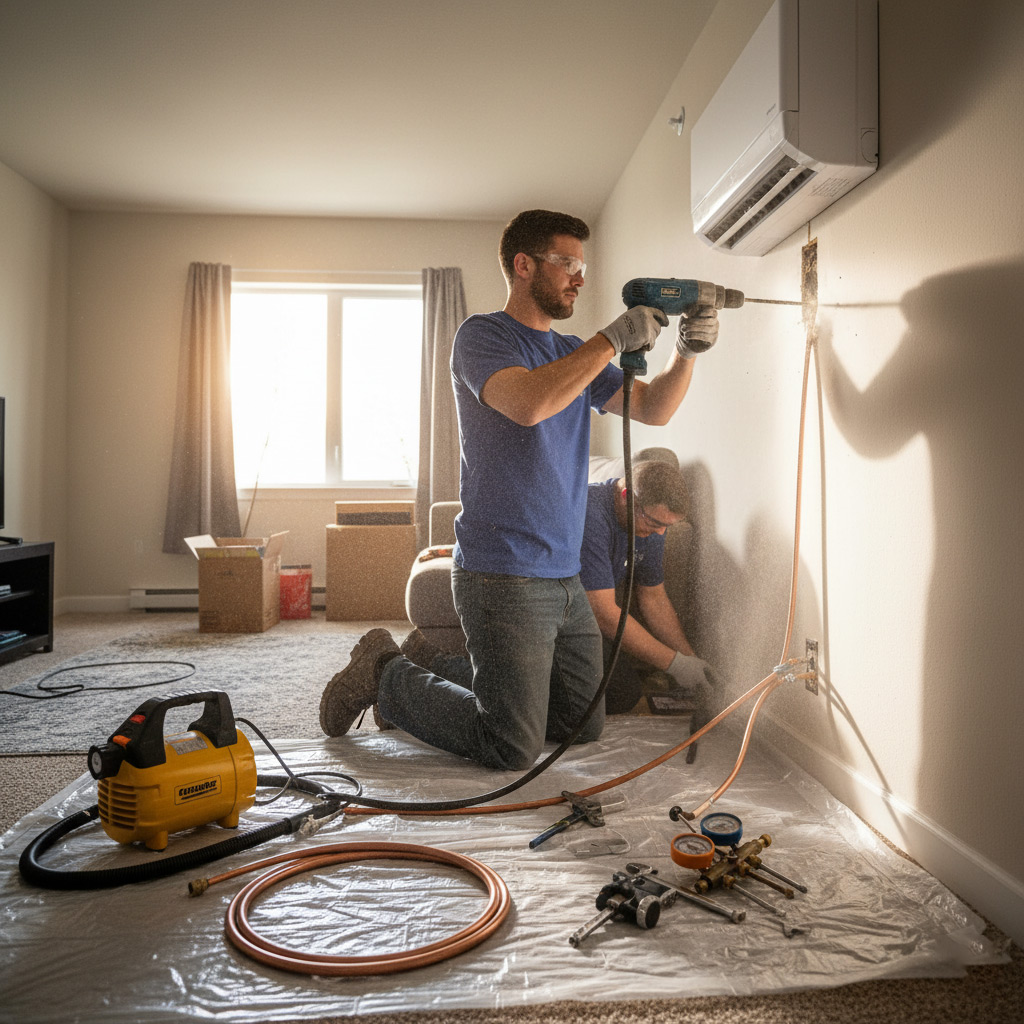
Moreno Valley basks in scorching summer days that can push indoor temps past 100°F, then eases into cooler evenings that still demand a reliable heat source. Your HVAC system must swing between two extremes, and each season brings its own set of red flags. Ignoring them can turn a simple tune‑up into a costly repair.
Summer: Beat the Heat
- Check refrigerant levels – low charge means the unit works harder and your electric bill spikes.
- Inspect the outdoor condenser for debris; grass clippings and dust act like a blanket.
- Test the thermostat’s accuracy; a mis‑read can leave you sweating or freezing.
Winter: Keep the Warmth Flowing
- Examine the furnace burners for clean, steady flames.
- Verify the heat exchanger isn’t cracked – a hidden crack can be dangerous.
- Make sure the blower motor runs smoothly; odd noises often signal wear.
Transition months—late spring and early fall—are perfect for a quick visual sweep. Look for rust on copper lines, tighten loose connections, and replace any worn filters. A proactive glance now saves you from scrambling when the next temperature swing hits.
Monthly Inspection Tasks to Keep Your System Running Smoothly
Skipping a monthly glance at your HVAC is like ignoring the oil light on a car—soon you’ll be paying for a breakdown. A quick 15‑minute walk‑through each month catches wear before it turns into a costly repair, and it keeps your home comfortable when Moreno Valley’s heat spikes.
Thermostat sanity check
Make sure the thermostat reads the same temperature as a reliable room thermometer. If the numbers don’t match, recalibrate or replace the batteries. Consistent readings mean the system won’t overwork itself.
Outdoor unit visual sweep
- Clear debris: Remove leaves, twigs, and dust from around the condenser.
- Inspect fan blades for cracks or bends; a bent blade can throw the whole cycle off.
- Check the copper lines for signs of corrosion or leaks; a small drip can become a big problem fast.
Give the coil a gentle rinse with a garden hose—no pressure washer. A clean coil moves air efficiently, and you’ll notice a drop in your electric bill.
Indoor airflow and filter health
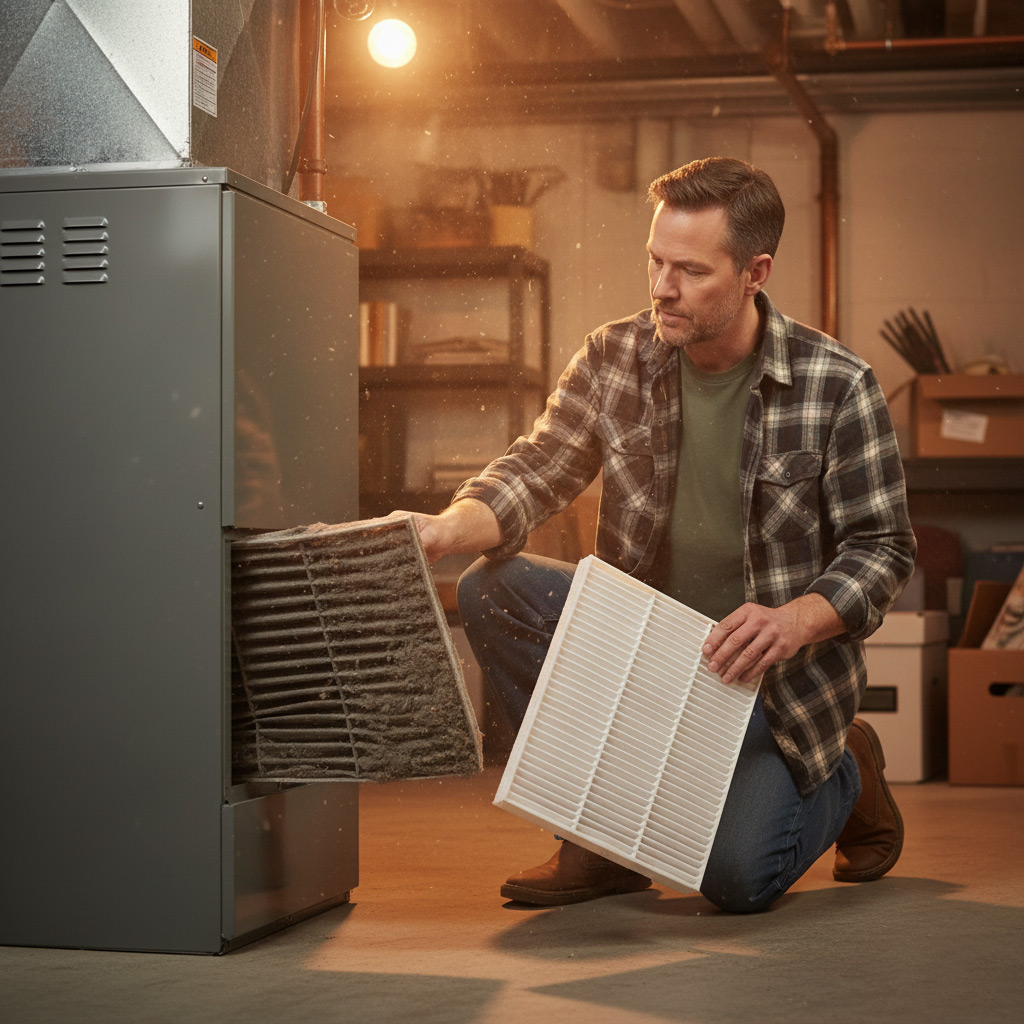
Pull out the furnace or air‑handler filter and hold it up to the light. If you can’t see through it, it’s time for a swap. Fresh filters keep dust out of the ducts and protect the blower motor.
Finally, listen for odd noises when the fan kicks on. A rattling sound could mean a loose screw, while a high‑pitched whine often signals a motor issue. Catching these clues early saves you from a full‑system shutdown later in the season.
Quarterly Professional Maintenance Checklist for Peak Performance
Why Quarterly Visits Matter
In Moreno Valley’s scorching summers and chilly winters, a system that’s been ignored can turn into a money‑sucking monster. Quarterly professional check‑ups catch wear before it becomes a breakdown, keeping your comfort steady and your bills low.
Think of it as a health exam for your HVAC: a quick, focused session that spots trouble early, so you avoid emergency calls and costly repairs.
What the Pro Checks
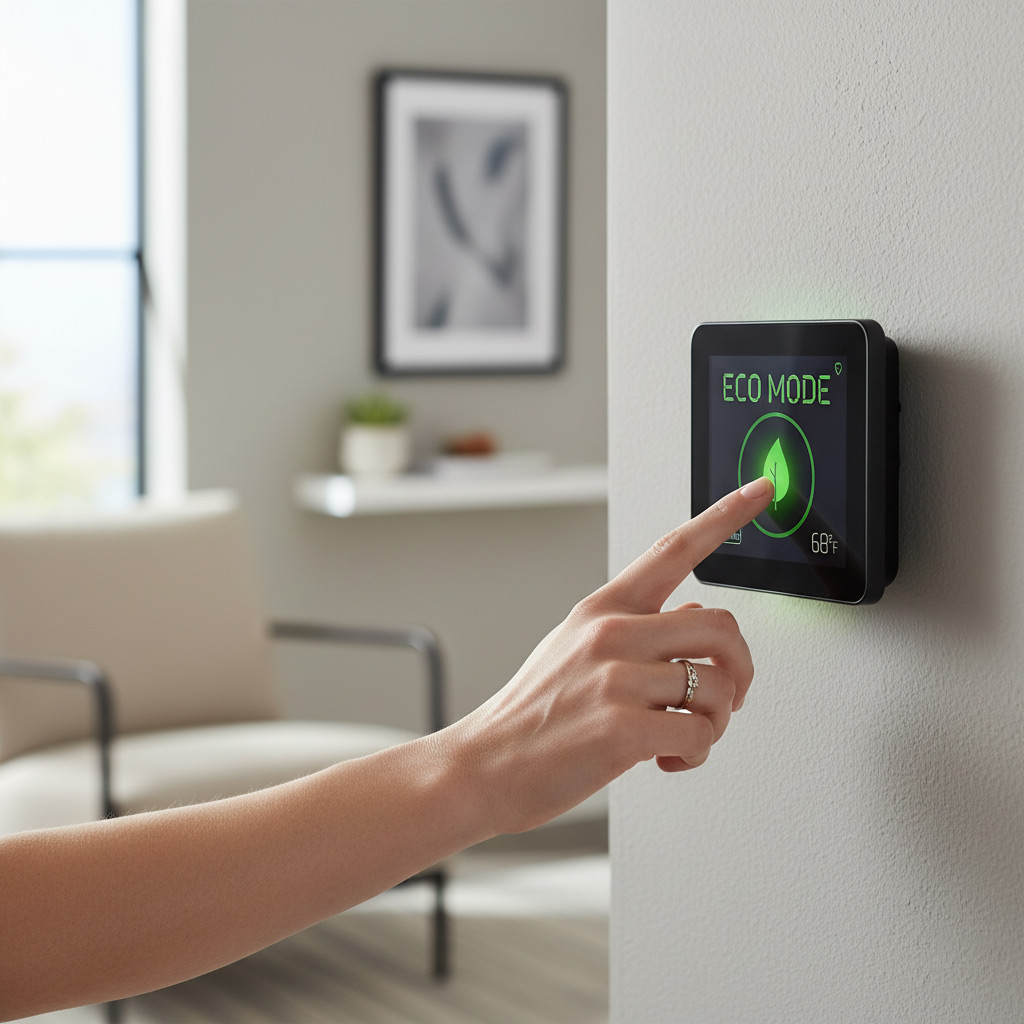
When a certified technician steps onto your property, they run a tight list of tasks designed to squeeze every ounce of performance from your unit.
- Refrigerant levels – ensure they’re spot on; low charge means the system works harder.
- Inspect and tighten all electrical connections – loose wires can spark a failure.
- Test thermostat accuracy – a mis‑reading throws off the whole schedule.
- Examine the blower motor and fan blades for dust buildup or wobble.
- Check the condensate drain for clogs – a backed‑up line can cause water damage.
Scheduling Tips for Busy Homeowners
Set the appointment at the start of each season. Spring, summer, fall, and winter are the sweet spots when the system is either cooling or heating hard.
Mark the dates in your calendar, treat them like a dentist visit, and you’ll never scramble for a last‑minute fix.
DIY Cleaning, Filter Replacement, and Minor Repairs Guide
Rolling up your sleeves on a sunny Moreno Valley afternoon can save you cash and keep the air crisp. A quick visual check often reveals the culprits before they turn into costly breakdowns.
Cleaning the Coils
Dust loves the evaporator and condenser coils; it chokes airflow and forces the system to work harder. Grab a soft brush and a garden hose—no pressure washer needed.
- Turn off power at the breaker.
- Remove the access panel; brush away loose debris.
- Rinse gently from the outside in, let it dry fully before re‑assembly.
Filter Replacement
The filter is the first line of defense against pollen and sand from the desert. Swapping it out is a 2‑minute job that pays dividends in comfort.
- Locate the filter slot—usually behind the return grille.
- Slide out the old filter; note its size (e.g., 16x20x1).
- Insert a new high‑efficiency filter, face the arrows toward the blower.
Minor Repairs You Can Tackle
Some hiccups don’t need a pro. With a few tools, you can tighten, lubricate, or replace small parts and keep the system humming.
- Check thermostat batteries; replace if the display flickers.
- Inspect the condensate drain line; clear clogs with a cup of bleach and water.
- Lubricate fan motor bearings with a few drops of oil if they squeak.
Energy Efficiency Strategies Tailored to Moreno Valley’s Climate
Smart Thermostat Settings for Desert‑Like Days
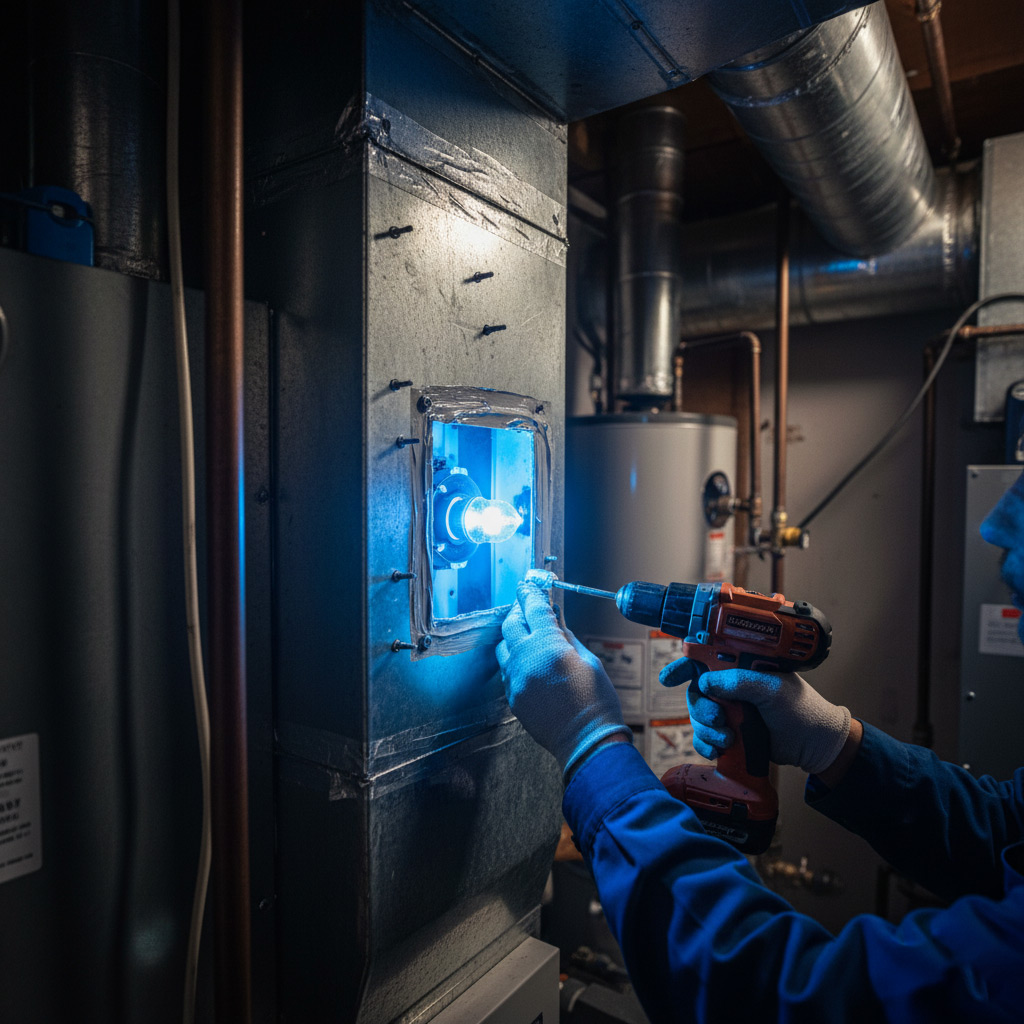
Set your thermostat to 78°F when you’re home and raise it to 85°F while you’re out. The difference may seem small, but it slashes the load on your compressor during those scorching afternoons.
Program a “sleep” mode for nighttime. Dropping the temperature by 5° while you’re under the covers saves money without sacrificing comfort.
Seal the Envelope, Keep the Heat Out
Moreno Valley’s sun can turn a house into a furnace. Simple fixes—weather‑stripping doors, caulking windows, adding attic insulation—stop that heat from sneaking in.
- Check door sweeps every month.
- Apply silicone caulk around window frames.
- Boost attic R‑value to at least R‑38.
Upgrade to High‑Performing Equipment
When it’s time for a new furnace or AC, choose units with a SEER rating of 15 or higher. They pull more cooling power per kilowatt, which translates to lower bills.
Pair the unit with a variable‑speed blower. It adjusts airflow on the fly, keeping rooms comfortable while the motor works less.
Take Advantage of Off‑Peak Power
Many utilities offer cheaper rates after 9 p.m. Schedule your water heater or pool pump to run during those hours. You’ll still get hot water and a clean pool, but at a fraction of the cost.
Use a timer plug for smaller appliances—think dehumidifiers and space heaters—to keep them off when rates spike.
Case Study: Transforming a Moreno Valley Home’s HVAC System for Year‑Round Comfort
The Situation
When the Martinez family moved into their 2,300‑sq‑ft ranch in Moreno Valley, they were hit with scorching summer nights and bone‑cold winters. Their old split‑system sputtered, driving up the electric bill and leaving rooms unevenly heated. They needed a fix—fast.
The Intervention
Our tech crew performed a full audit and rolled out a three‑step upgrade:
- Replaced the 15‑year‑old furnace with a high‑efficiency 96% AFUE unit.
- Installed a variable‑speed air handler paired with a smart thermostat calibrated for Moreno Valley’s temperature swings.
- Sealed ductwork leaks and added insulation to the attic, cutting loss by roughly 30%.
Each step was timed to avoid peak summer demand, keeping disruption to a minimum.
The Payoff
Within a month, the Martinez home saw a 22% drop in energy costs and a noticeable balance in indoor temperature. No more hot spots or drafts. The family now enjoys consistent comfort, whether the desert sun blazes or a cold front rolls in. Their thermostat even learns their schedule, turning the system off when the house is empty—saving cash and keeping the air fresh.
Final Words
Keeping your Moreno Valley home comfortable isn’t a once‑a‑year miracle; it’s a habit. Schedule your next check‑up now and treat your system like a prized car—regular oil changes, tire rotations, and tune‑ups keep it humming.
Take Action Today
- Mark your calendar for the next seasonal service.
- Swap out filters every 30‑45 days; it’s the cheapest upgrade you’ll make.
- Give us a call if you hear odd noises or notice uneven temperatures.
Need a deeper dive? Our HVAC Maintenance page walks you through every step, from DIY tricks to professional inspections. Don’t wait for a breakdown—the sooner you act, the longer your system will serve you.
People Also Ask
How often should I schedule professional HVAC maintenance in Moreno Valley?
Professional HVAC maintenance should be performed at least once a year, ideally before the hottest summer months. In Moreno Valley’s desert climate, a spring service prepares the system for cooling, while a fall visit readies it for heating.What are the most important monthly HVAC inspection tasks?
Each month, check thermostat settings, inspect visible ductwork for leaks, and ensure the outdoor unit is free of debris. Also, verify that all vents are open and unobstructed to maintain proper airflow.Can I replace my HVAC filter myself, and how often?
Yes, filter replacement is a simple DIY task. Replace standard filters every 30‑60 days, or use high‑efficiency filters that can last up to 90 days, depending on usage and indoor air quality.What energy‑saving adjustments work best for Moreno Valley’s climate?
Set your thermostat to 78°F (26°C) when cooling and 68°F (20°C) when heating. Use programmable or smart thermostats to reduce runtime during unoccupied periods and keep doors and windows sealed.What signs indicate my HVAC system needs professional repair?
Look for reduced airflow, unusual noises, frequent cycling, or a noticeable increase in energy bills. If any of these symptoms persist after basic checks, contact a licensed HVAC technician for a thorough diagnosis.
Moreno Valley HVAC brings over 15 years of residential and commercial climate‑control expertise to the Moreno Valley community. Their certified technicians specialize in efficient heating, cooling, and indoor‑air‑quality solutions tailored to local needs. Committed to responsive service, they prioritize comfort and energy efficiency for every client.
Need HVAC?
Fast, reliable HVAC service restores comfort to homes and businesses in Moreno Valley (92551, 92553, 92555, 92556) and surrounding areas. We prioritize quick response and lasting results so you can get back to normal sooner.
Request a fast quote